US lawmakers aren’t buying what Beijing is selling about reality of Xinjiang detention camps
- Senate will consider a bolstered version of legislation targeting China, called the UIGHUR Act, that the House of Representatives approved by a 407-to-1 vote
- Despite China’s claims, Uygurs living overseas point to silence from relatives in Xinjiang as proof they are either still detained or their freedom is limited

As Beijing steps up its defence of its mass internment measures targeting Muslims in China’s far west, one key target of its messaging campaign remains decidedly unconvinced: the US Congress.
On Monday, representatives of the government in the Xinjiang Uygur autonomous region said that all “trainees” in what China calls vocational training centres had “graduated” and found stable employment.
Efforts to rebut accusations of a campaign to forcibly bring ethnic minority groups in the region into line have failed to win over foreign governments and international human rights watchdogs. And Uygurs living overseas point to silence from their relatives in Xinjiang as proof they are either still detained or otherwise subjected to limits on their freedom.
The regional government’s chairman, Shohrat Zakir, reserved his strongest words for Washington, where lawmakers are scrambling to push through human rights legislation targeting Beijing over its actions in Xinjiang before Congress breaks for its holiday recess.
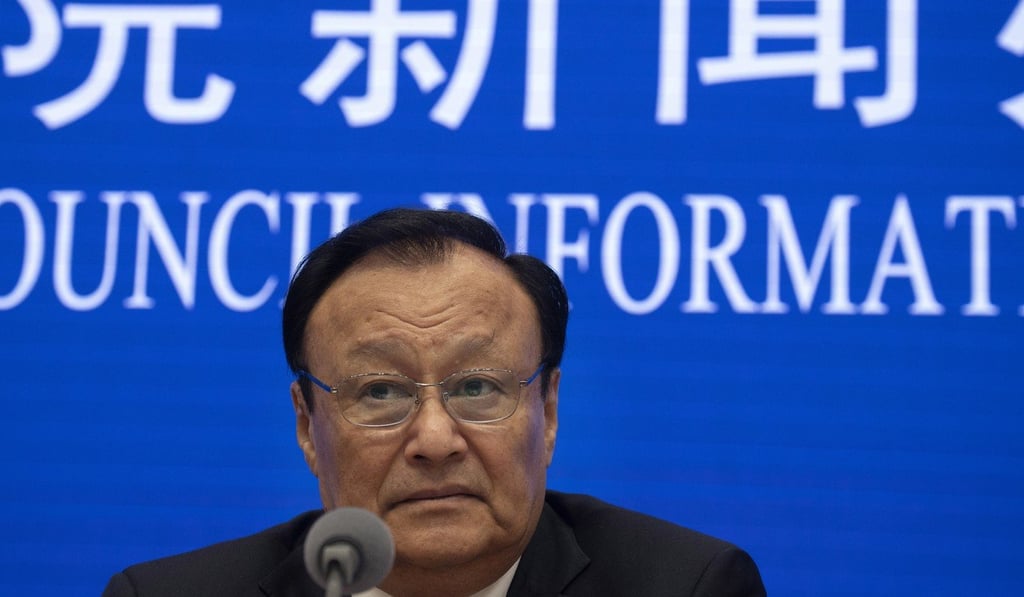
Backers of the UIGHUR Act, as the legislation is called, were in violation of “international law” and guilty of “ideological prejudice”, said Zakir, who is also the Chinese Communist Party’s deputy secretary for Xinjiang.
“The Chinese government’s claim that everyone in Xinjiang’s modern-day concentration camps has ‘graduated’ is a ludicrous attempt to ease or deflect international pressure,” said Senator Marco Rubio, a Republican from Florida and author of the original legislation on which the current bill is based.