Taiwan’s Tsai Ing-wen may offer olive branch, but Beijing has ‘no expectations’
- After landslide election win, Tsai is expected to set out a ‘stable and consistent’ cross-strait policy when she is sworn in on May 20
- There may not be a war but tensions will flare as the president refuses to accept one-China principle and engages with the US, analyst says

Taiwan’s President Tsai Ing-wen may extend an olive branch to the mainland when she is sworn in for a second term next week, but analysts said it would do little to ease tensions with Beijing.
They said while Tsai was expected to call for stability and peaceful development of cross-strait ties during her speech on May 20, Beijing would continue its pressure and military intimidation of the self-ruled island for as long as she refused to accept the one-China principle.
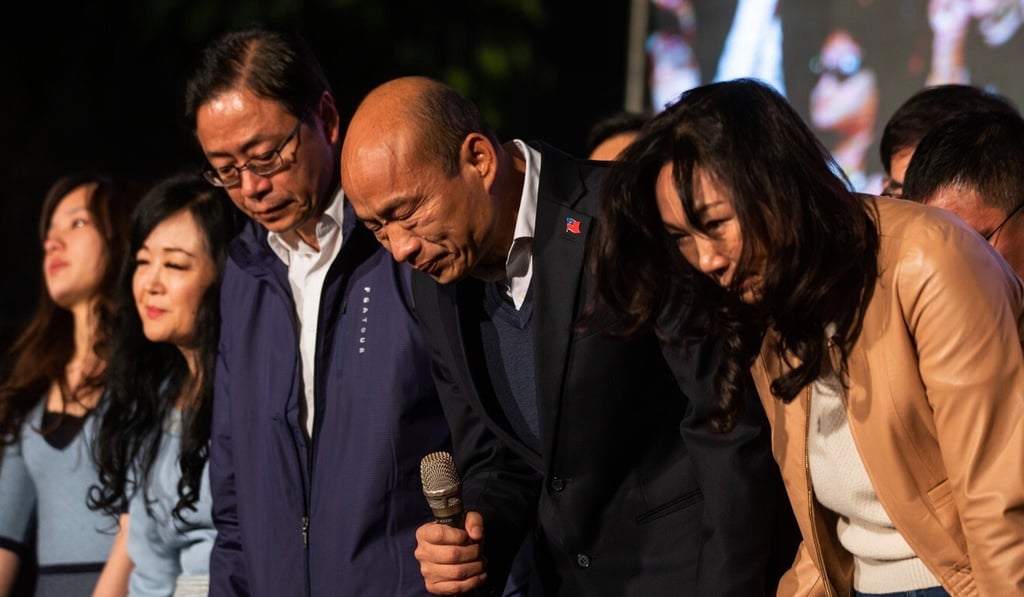
Tsai, of the independence-leaning Democratic Progressive Party, won the January election in a landslide with over 8 million votes – 3 million more than her main rival Han Kuo-yu of the mainland-friendly Kuomintang, who was believed to be Beijing’s preferred candidate.
Beijing considers Taiwan a wayward province that must return to the mainland fold, by force if necessary. Tsai’s refusal to accept the one-China principle since she became president in 2016 has angered Beijing, and it has tried to squeeze the island by stopping official exchanges with Taiwan, staging war games nearby and poaching seven of its diplomatic allies.
Some in the hardline pro-independence camp have suggested Tsai’s decisive victory gives her a strong mandate to reject integration with the mainland and have called on the president to speak more firmly about the island’s independent status in her inaugural speech.