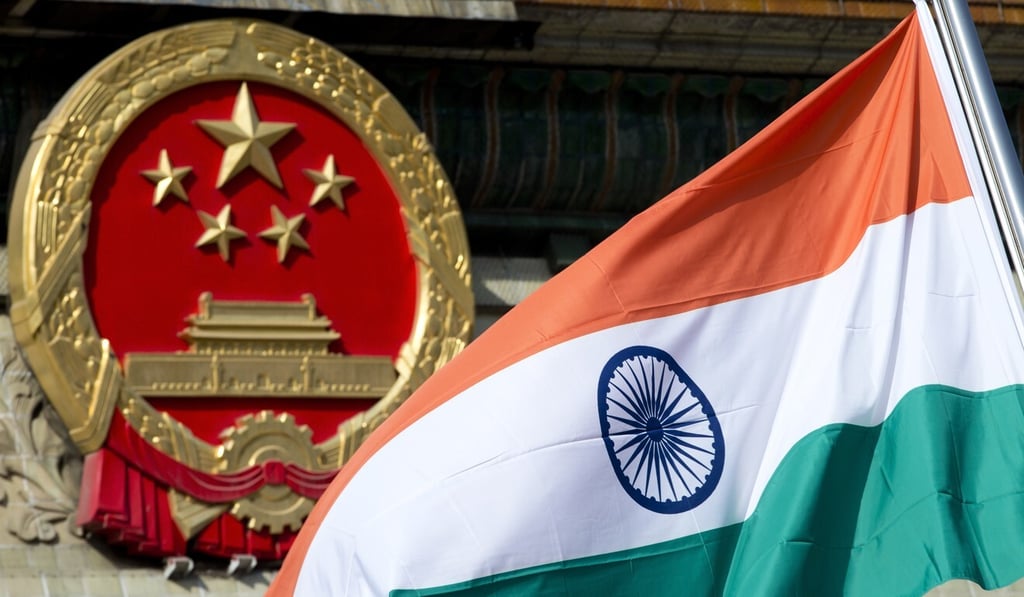
China-India border dispute fuelled by rise in nationalism on both sides, observers say
- As the global economy has slumped, ‘nationalism and sovereignty’ have replaced Xi Jinping’s ‘Chinese dream’ as the primary focus for Beijing, co-director of the Institute for the Analysis of Global Security says
- ‘Both countries have politically beleaguered governments … [that] need a good diversion’, chairman of New Delhi think tank says

Beijing risks pushing New Delhi further into the American camp, analysts have warned, if the current border face-off continues to drag on and spirals into another protracted stand-off like the Doklam row three years ago.
Although China said on Wednesday that the overall situation was “stable and controllable”, with no reports of fresh scuffles along the disputed Line of Actual Control, tensions remain high according to observers and Indian media reports amid one of the biggest border troop build-ups in years.
Details remain sketchy about how the dispute started, but scuffles and eyeball-to-eyeball face-offs during regular patrols over three weeks ago in the north Ladakh region and near the pass of Naku La along the Sikkim border have turned into a tense military stand-off.
While skirmishes like this are usually considered routine in the long-running dispute between the two Asian neighbours, what makes it stand out are the timing of the latest row and the way it is being handled on both sides.