Advertisement
Did China miscalculate the rise of India?
- Beijing has been preoccupied with tensions with Washington, but a deadly brawl on the Himalayan border last month raised the possibility of wars on two fronts
- Decades of talks have failed to bridge trust deficits and misperceptions, observers say
5-MIN READ5-MIN
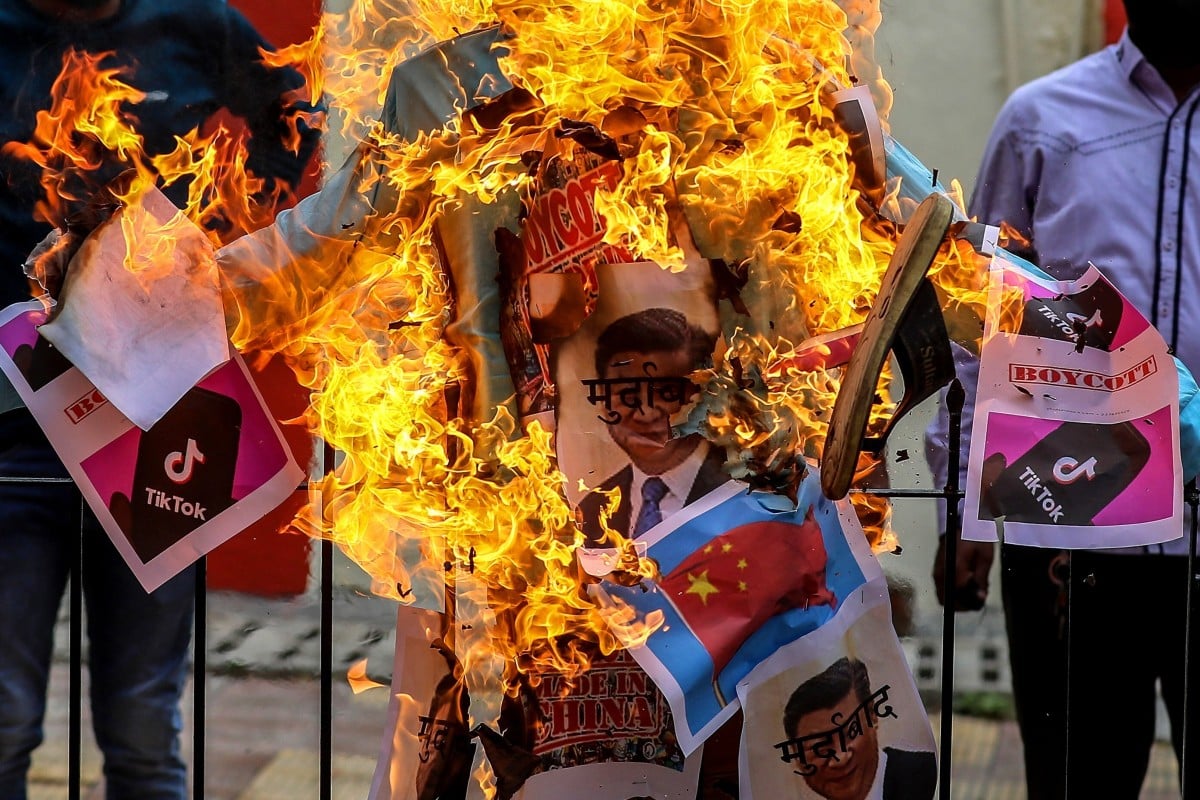
While China’s attention was fixed on a new Cold War with the United States, tensions on its troubled Himalayan border with India erupted last month in the deadliest clash in over 50 years.
The fatal skirmish rubbed salt into an old wound that has refused to heal since the 1962 border war, and raised questions about China’s strategic calculations on the rise of India.
It also prompted fears about armed conflicts between the nuclear powers becoming a deadly manifestation of the Thucydides Trap.
Advertisement
The much-debated concept, which was coined by Harvard professor Graham Allison in reference to the possibility of military confrontations when a rising power threatens a dominant one, is usually reserved to describe the superpower showdown between China and the US.
But could it also be the case between China and India?
Advertisement
The two countries have shown interest in de-escalation and agreed to disengage this week, but there is little sign so far that heightened tensions will dissipate soon.
Both sides have instead amassed large numbers of troops and weapons, along the undemarcated border, or the Line of Actual Control, since the largely hand-to-hand brawls on June 15. Along with an undisclosed number of Chinese casualties, 20 Indian soldiers were killed in the disputed Galwan Valley in eastern Ladakh, known in China as Aksai Chin, where the two countries also fought their short but bloody 1962 conflict.
Advertisement
Select Voice
Select Speed
1.00x