ExplainerWhat is China’s Belt and Road Initiative all about?
- The multibillion-dollar connectivity plan has been beset with problems caused by the coronavirus pandemic this year
- But the global health crisis is only one of the stumbling blocks faced by Xi Jinping’s grand scheme

Some say the legislation stems from the experience of the Darwin Port project in Northern Territory, which the regional government handed back to its developer, Chinese company Landbridge, on a 99-year lease in 2015.
But Beijing’s grand infrastructure connectivity plan – much touted by Chinese President Xi Jinping – has faced many hurdles since its launch in 2013.
So what exactly is it?
The scheme aims to connect more than 70 countries across Asia, Europe and Africa via a “New Silk Road” of railways, highways and ports. Beijing sees it as a way to promote regional links and economic integration, and boost its economic and political influence.
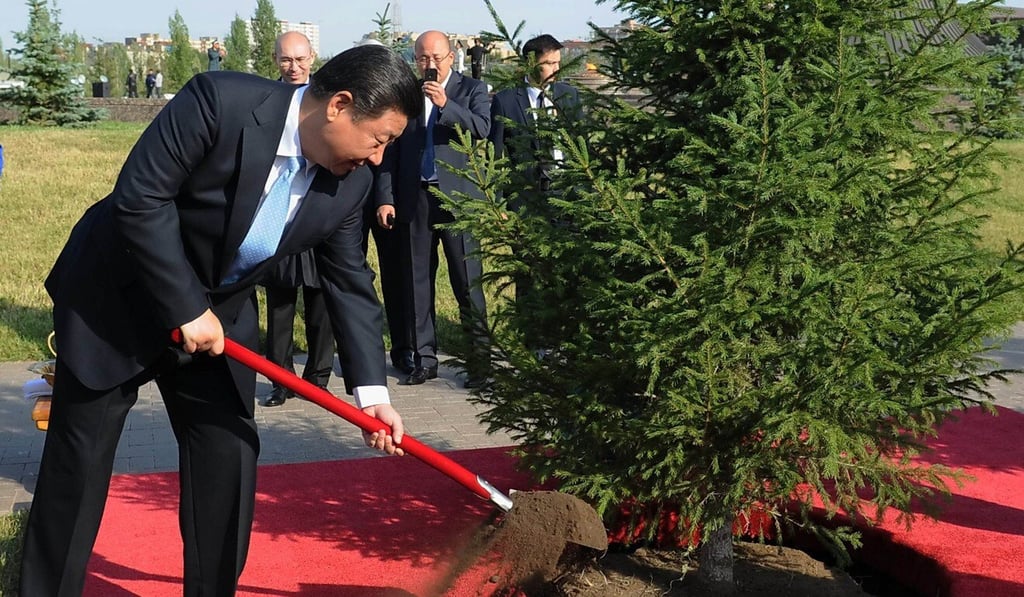
The initiative was introduced by Xi during his 2013 visit to Kazakhstan. The initial strategy envisioned a land-based “belt” running westward through Central Asia towards Europe, and a maritime “road” through Southeast Asia towards the east coast of Africa. But the plan has since been extended far beyond those two channels, and now includes projects across East, Central and Southeast Asia, the Middle East, Africa, Eastern Europe and South America.