China’s Belt and Road projects face climate change challenges
- China has built many of its BRI projects in places that studies show are very susceptible to the extreme effects of climate change
- Beijing may be increasingly vulnerable to the consequences of climate crisis, including migration pressures, political unrest and rising sea levels

A suspension bridge in Mozambique. A deep seaport in Pakistan. A dam in Niger.
This week a group of defence ministers at the White House summit described climate change as a security threat – a “multiplier” that could push unstable regions of the world into even worse situations of violent conflict. Analysts say projects in those environments and on the seaside are at particular risk.
“There are at least hundreds of Chinese investment projects in countries that are especially vulnerable to climate change, and many of them are on or near coastlines,” said Courtney Hulse, an analyst at RWR Advisory Group, a Washington-based consultancy that tracks Chinese investments around the world.
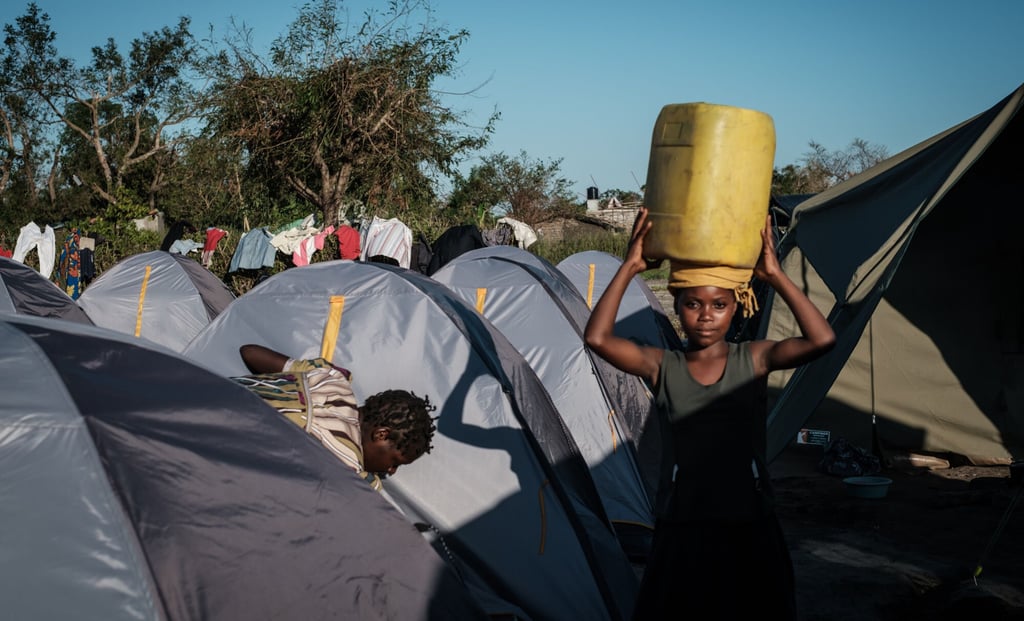
Beijing has built many of its overseas infrastructure projects in places that studies show are among the most susceptible to the extreme effects of climate change.