Chinese contractors win majority of mega projects in Africa
- Chinese companies first went to Africa in 1979 in search of profits and are now the dominant force
- ‘Look at the most interesting architecture in the skyline of Dar es Salaam and you’re probably looking at a building designed by a Chinese architect and built by a Chinese firm,’ academic says

Two were from Chinese contractors China Jiangxi Corporation for International Economic and Technical Cooperation and China Gezhouba, both of which are already involved in the construction of major infrastructure projects, including airports and power dams, in Africa. The other two were from SBI International Holdings and Just Nice Construction.
China Jiangxi won the tender, but China Gezhouba has contested the award at the Public Procurement Administration Review Board, saying it tendered a much lower bid.
The companies represent thousands of Chinese construction and engineering contractors that are sourcing, bidding, winning and funding mega projects in Africa, even without financial backing from Beijing or China Exim Bank.
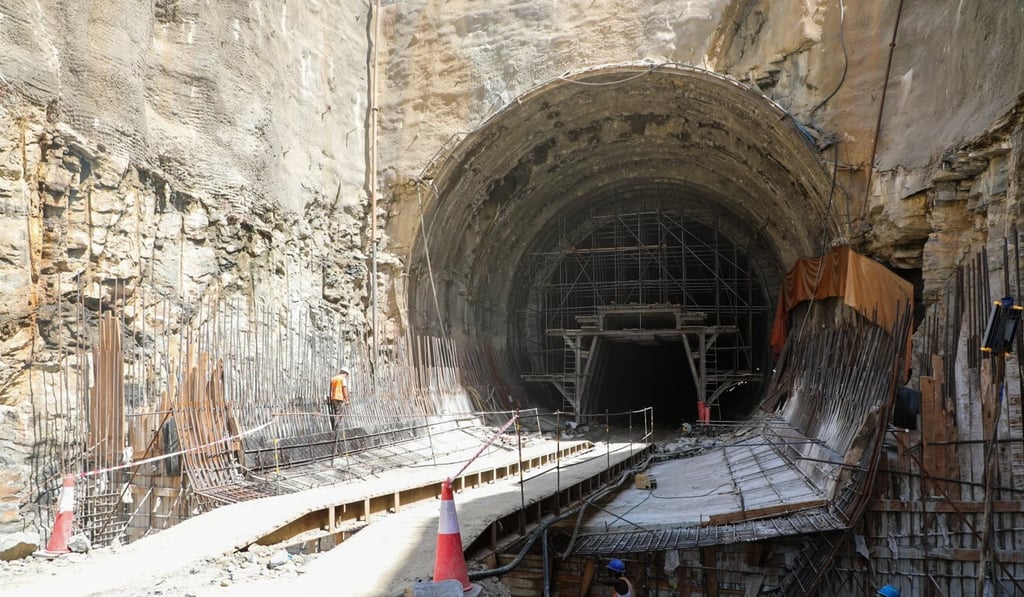
China Gezhouba is one of the firms contracted to build Ethiopia’s 6,000-megawatt Grand Renaissance Dam, which has been a source of tension in the Nile basin since the project broke ground in 2011, with Egypt and Sudan worried that it could lower the river’s water levels and lead to droughts.