China market still sluggish for Central and Eastern European goods
- Despite Beijing’s efforts to boost imports from countries in the 17+1 framework demand from Chinese consumers remains low
- A trade expo aimed at showing China’s commitment to the region fails to quell frustration over the slow rate of progress

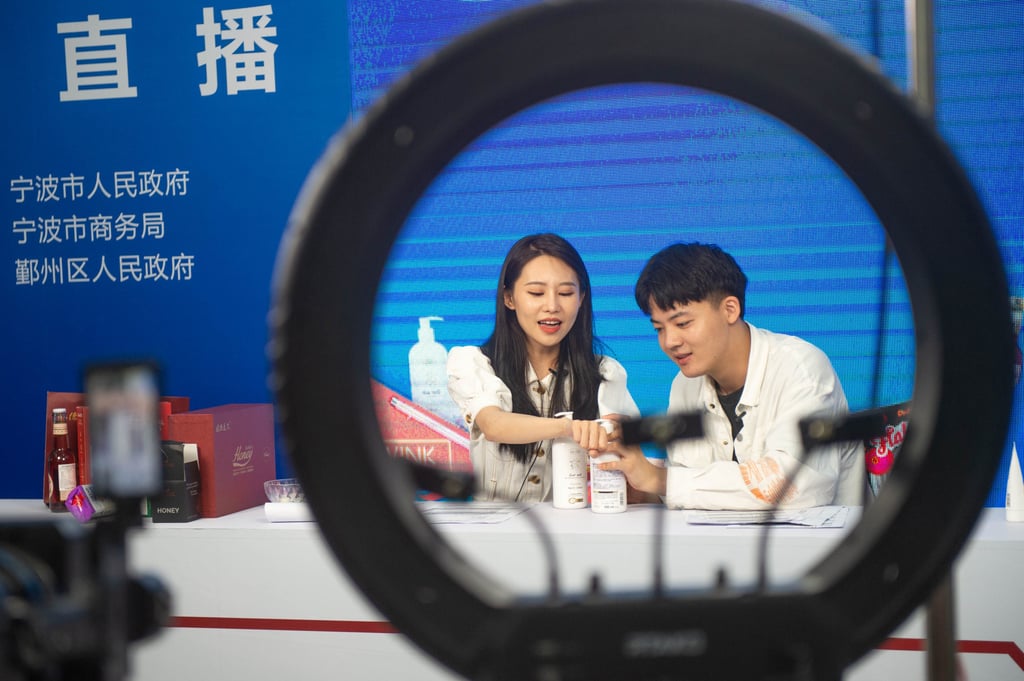
“Once you have tried it, you will know how good it is,” the Chinese live stream host said repeatedly, as she promoted Bulgarian rose tea, Hungarian dessert wine and Latvian body scrubs to tens of thousands of customers in China watching on an e-commerce platform.
Not on show, however, was the frustration of some of these European countries at the difficulties in accessing the Chinese market, which officials and academics in China expect to continue, despite Beijing identifying market access as the key to boosting its relations with CEE countries.
Diana Mickeviciene, the Lithuanian ambassador to China, explained the decision, saying access to the Chinese market had not improved and the trade imbalance was only growing, nearly a decade after joining the framework.
The Baltic country was not the only one to voice frustration. Estonia, Latvia, Bulgaria, Romania and Slovenia, along with Lithuania, all sent lower-level envoys to President Xi Jinping’s annual 17+1 meeting in February – held virtually this year. It was a step largely understood to be snubbing the mechanism and expressing disappointment with working with China.
At the summit, Xi pledged that China would import more than US$170 billion worth of goods from the region in the next five years, doubling its purchases of agricultural products.