Advertisement
US-China relations
ChinaDiplomacy

US President Joe Biden signs Xinjiang forced-labour bill into law

  • The ban on imports from Xinjiang will go into effect in June, with disruptions to the global supply chain likely
  • Law creates a ‘rebuttable presumption’ that all goods sourced wholly or in part in Xinjiang are tainted by the use of forced labour in their production
4-MIN READ4-MIN
68
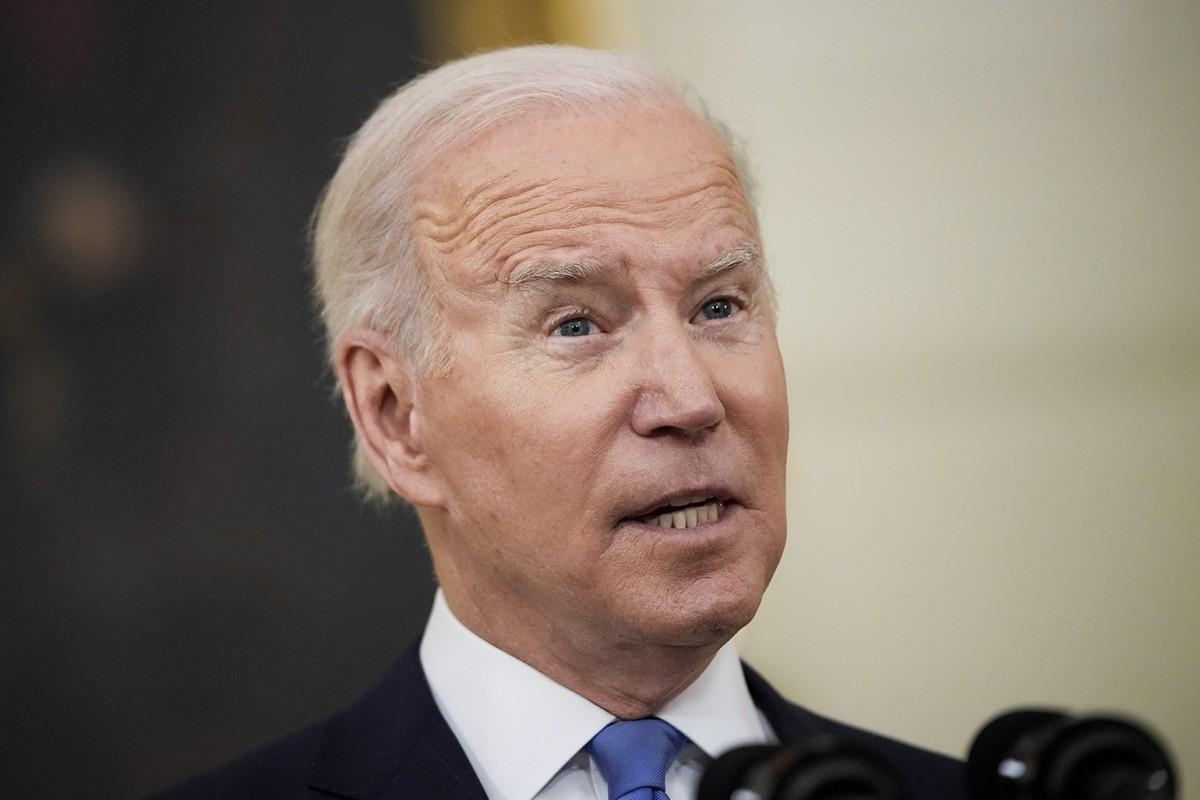
US President Joe Biden has signed into law the Uygur Forced Labour Prevention Act, which will effectively ban all imports from the Xinjiang region. Photo: Getty Images/TNS
Owen Churchill
US President Joe Biden has signed into law a measure that will effectively ban all imports from China’s Xinjiang Uygur autonomous region, a move likely to have significant ramifications for US-China relations and global supply chains alike.

In a brief statement on Thursday, Biden thanked congressional leaders and the bill’s authors for their “leadership” on the overwhelmingly bipartisan legislation, but he did not host a signing ceremony as presidents sometimes do with high-profile bills.
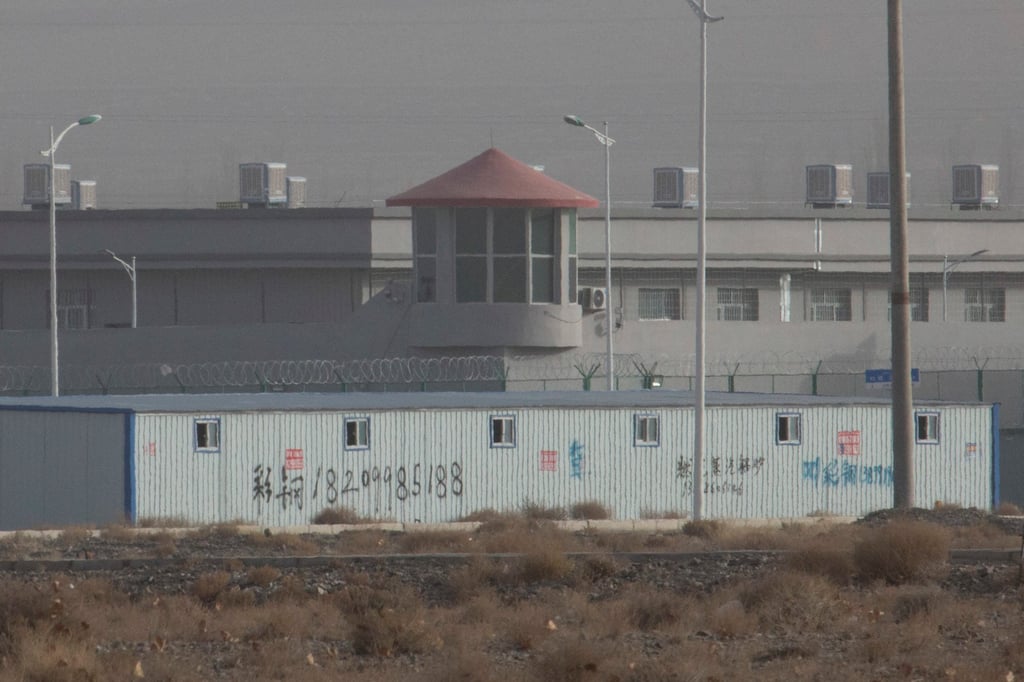
Enacting the bill signalled the Biden administration’s commitment to “combating forced labour, including in the context of the ongoing genocide in Xinjiang”, said US Secretary of State Antony Blinken, referring to an official determination by the government that Beijing’s actions in the region constitute crimes against humanity.
A guard tower and barbed wire fences at a facility in China’s Xinjiang region that activists call an internment camp. Photo: AP
Blinken praised the “new tools” provided by the legislation to both counter forced labour in Xinjiang and to “further promote accountability for persons and entities responsible for these abuses”.
Advertisement

The new law creates a “rebuttable presumption” that all goods sourced wholly or in part in Xinjiang are tainted by the use of forced labour in their production – charges that Beijing denies. The ban will go into effect in June.

Once the ban is in place, companies will be able to appeal the prohibition only if they can provide “clear and convincing evidence” that their supply chains are free of the involvement of forced labour.

Workers at a food processing plant in Urumqi in Xinjiang. Photo: EPA-EFE

Experts say that standard will be close to impossible to meet, given the inability of independent auditors to gain unrestricted access to the region.

Advertisement
Select Voice
Select Speed
1.00x