Latest US congressional group lands in Taiwan, will meet President Tsai Ing-wen
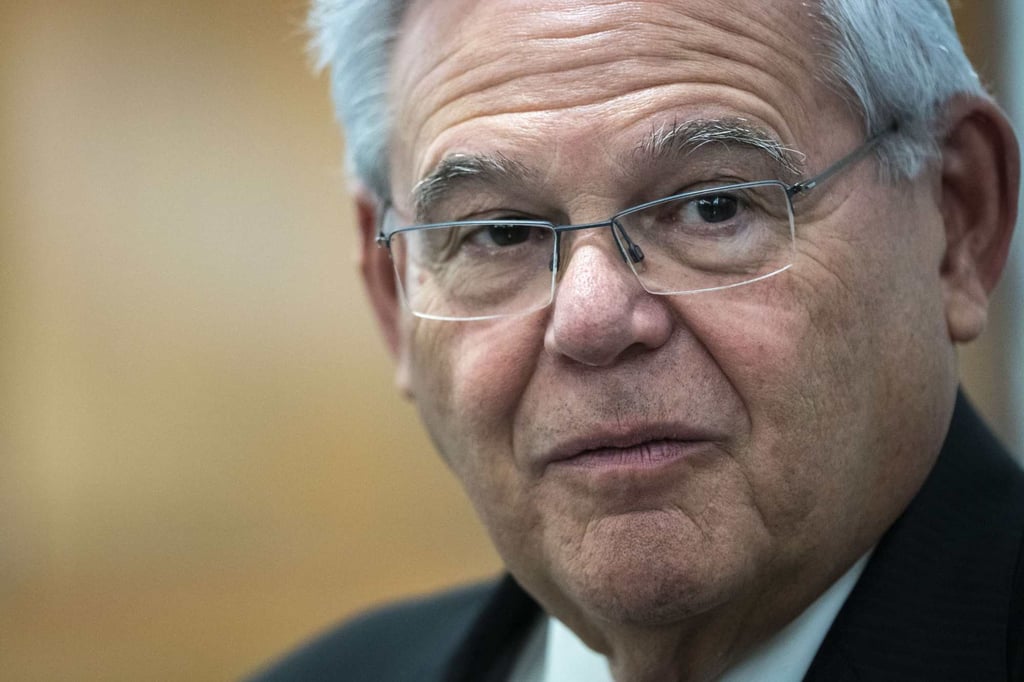
- Senate Foreign Relations Committee chairman Bob Menendez, who leads latest delegation, is known for his friendly stance towards the self-ruled island
- The bipartisan group of six landed in Taipei on Thursday night for a brief visit

The delegation, comprising Bob Menendez, a Democrat from New Jersey, and four Republican senators – including Lindsey Graham from South Carolina – as well as a Republican congressman, is expected to leave on Friday evening after a meeting with President Tsai Ing-wen.
Others in the group are senators Richard Burr (R-North Carolina), Ben Sasse (R- Nebraska), Rob Portman (R-Ohio) and House Representative Ronny Jackson (R-Texas).
The visit drew a furious response from Beijing, with foreign ministry spokesman Zhao Lijian saying “the Chinese side resolutely opposes any form of official exchange between the US and Taiwan, and US congressmen must also follow the US government’s one-China policy”.
He warned the US against “walking further and further along a dangerous path” and said Beijing would take “forceful measures to resolutely uphold Chinese sovereignty and territorial integrity”.
The delegation had earlier been in Australia, where Menendez and Graham told Sky News Australia that the Senate Foreign Relations Committee was pushing for a greater US military presence in the country.