Advertisement
China-Philippines relations
ChinaDiplomacy

Manila wants to revisit Chinese loans for 3 rail projects as analysts warn of ‘risks’

  • Transport department told to secure loans after China Exim Bank didn’t act on earlier agreement, undersecretary for railways says
  • Beijing ‘welcomes’ the move, but analysts say such infrastructure projects are at risk of not yielding returns

Reading Time:3 minutes
Why you can trust SCMP
5
The previous government launched an ambitious infrastructure programme to improve transport links in the Philippines. Photo: Shutterstock
Jack Lau
As Manila says it will return to the negotiating table for Chinese loans to fund three rail projects, analysts are warning of the risks of such loans under Beijing’s Belt and Road Initiative at a time of global economic uncertainty.
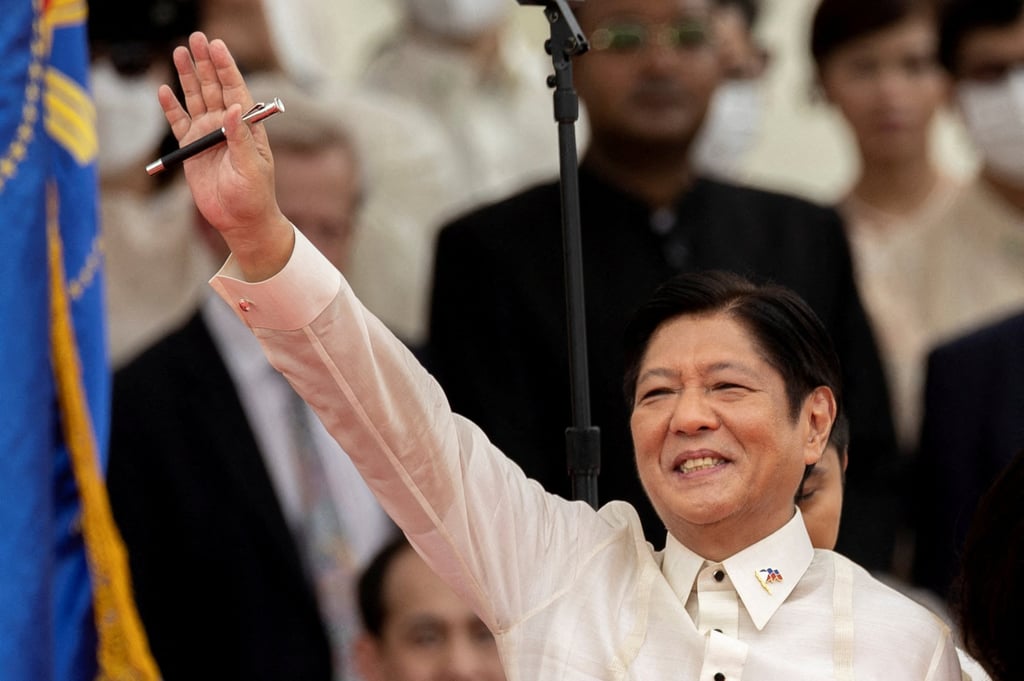
Philippine President Ferdinand “Bongbong” Marcos Jnr told the transport department to secure the loans after China Exim Bank did not act on a loan agreement struck under his predecessor, undersecretary for railways Cesar Chavez said in a statement on Saturday.
Marcos Jnr – who is expected to continue former president Rodrigo Duterte’s policy of having close ties with both Beijing and Washington – has said he will seek to attract more investors through public-private partnerships. The Duterte government largely avoided such partnerships, saying they prolonged projects and added to costs.
President Ferdinand Marcos Jnr wants the transport department to return to the negotiating table. Photo: Reuters

Beijing, meanwhile, has been pushing its belt and road scheme “as an unwavering, long-term project – meaning that it will go on for who knows how many years”, according to Pang Zhongying, chair professor in international and regional political economy at Sichuan University in Chengdu.

Advertisement

“But at the same time, China itself realises the severity of the global economic crisis, high inflation and disruptions to the supply chain,” Pang said.

Still, Beijing was pressing ahead with the trade and infrastructure initiative because it was a political imperative, he said, adding that it was similar to China insisting it would stick to its tough zero-Covid policy.
Advertisement

On Monday, Chinese foreign ministry spokesman Wang Wenbin said China “welcomes President Marcos’ instruction to the responsible department of the Philippines to discuss project cooperation with China and will connect fully with the new Philippine government on this”.

He said the Philippines had always been a priority in China’s regional diplomacy, and Marcos’ presidency had given the relationship a new start.

Advertisement
Select Voice
Choose your listening speed
Get through articles 2x faster
1.25x
250 WPM
Slow
Average
Fast
1.25x