Advertisement
What next for China’s 16+1 trade group after Baltic countries exit over Russia and Taiwan?
- Estonia and Latvia’s ambivalence towards economic forum transformed into alarm as Moscow-Beijing ties warmed and live-fire drills encircled Taiwan
- Yet departures did not directly criticise China, leaving door open for each country to pursue cooperation bilaterally and at an EU-China level
4-MIN READ4-MIN
93

Finbarr Berminghamin Brussels
When asked a year ago if they would follow neighbouring Lithuania out of China’s 16+1 economic forum of central and eastern European countries, Estonian and Latvian officials professed ambivalence.
They felt the trade group had delivered only minor economic benefits that were being overshadowed by what they viewed as Beijing’s worrying human rights record.
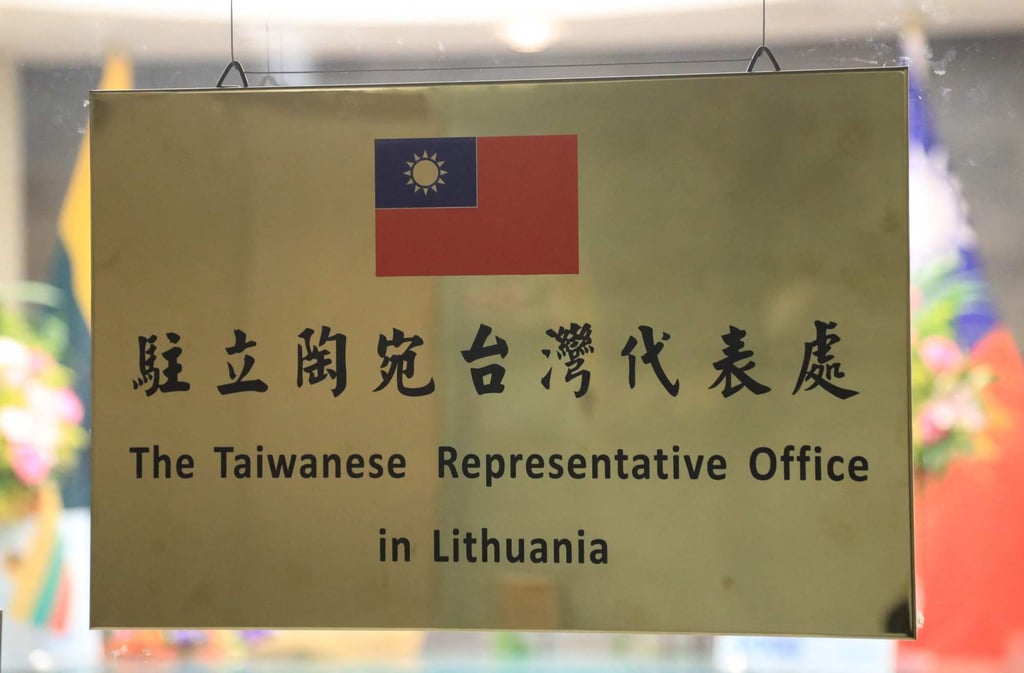
But there was no rush for the door. Having watched the Chinese backlash against Vilnius – a sweeping block on most Lithuanian exports, the expulsion of its ambassador, and the downgrading of its embassy in Beijing – the two remaining Baltic states saw no point in conspicuously leaving, officials said privately at the time.
Advertisement
Instead they would steer clear of formal meetings, believing there was little to gain from rocking the boat further with a noisy exit.
More than a year on, their decision last week to publicly bail on the decade-old group underscored how much that calculus had changed, driven by geopolitical events and emblematic of a broader shift in attitudes towards China.
Advertisement
Advertisement
Select Voice
Select Speed
1.00x