China’s next ambassador to the US will confront a new set of challenges
- Foreign vice-minister Xie Feng and other candidates face a US-China relationship marked by increasing hostility and numerous flashpoints
- Yet analysts expect the new envoy to have limited opportunities for creative diplomacy given China’s increasingly centralised decision-making

When Qin Gang left his job this month as China’s ambassador to the United States to take up his new post as foreign minister in Beijing, he put a positive spin on his time in Washington, saying in a tweet last week how “deeply impressed” he was by many “hard-working, friendly and talented” Americans.
A few days earlier, however, in an opinion piece in National Interest magazine, Qin warned that it was up to the US whether the world descended into global conflict. “The Chinese people are looking to the American people to make the right choice,” he added.
Even as Washington awaits Qin’s replacement – sources there and in Beijing say the lead candidate is foreign affairs vice-minister Xie Feng – inconsistent messaging by the former “wolf warrior” turned envoy underscores the complexity of US-China relations and the challenges China’s next ambassador faces.
“Is the job here about reporting back to Beijing and being Beijing’s eyes and ears, or about actually trying to do something constructive?” said Zack Cooper, a former National Security Council official.
“The last few days of Qin’s charm offensive have been interesting,” said Cooper, now a fellow at the American Enterprise Institute. “But a week ago he did this absurd piece in the National Interest that could not have been intended to convince anyone in Washington, only some audience back in Beijing.”
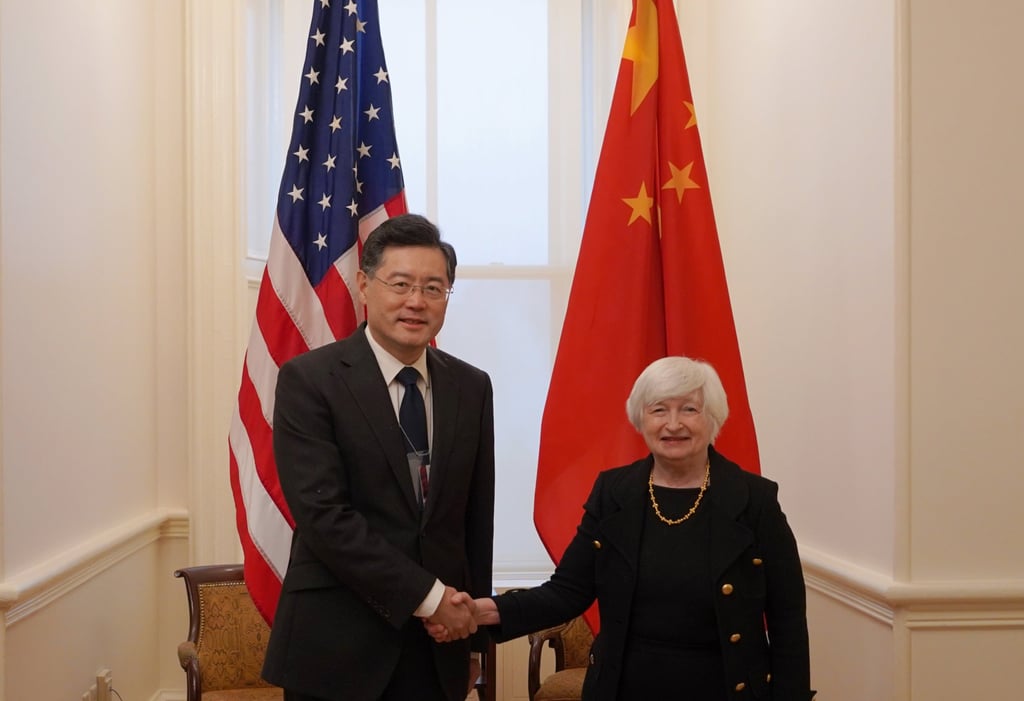
Whoever fills Qin’s shoes will have their hands full in the wake of a deliberative search reflecting the importance of the relationship and many intractable problems dogging bilateral ties.