
Be a potato: the lesson of the resilient staple resonates as 2026 approaches
A decade on, the humble tuber’s public adoption remains an elusive goal for China’s planners and yet it offers a lesson for uncertain times

Domesticated nearly 10,000 years ago in Peru, it did not voyage beyond the Americas until the 16th century. Yet no vegetable has played a more significant role in human history and politics than this humble tuber.
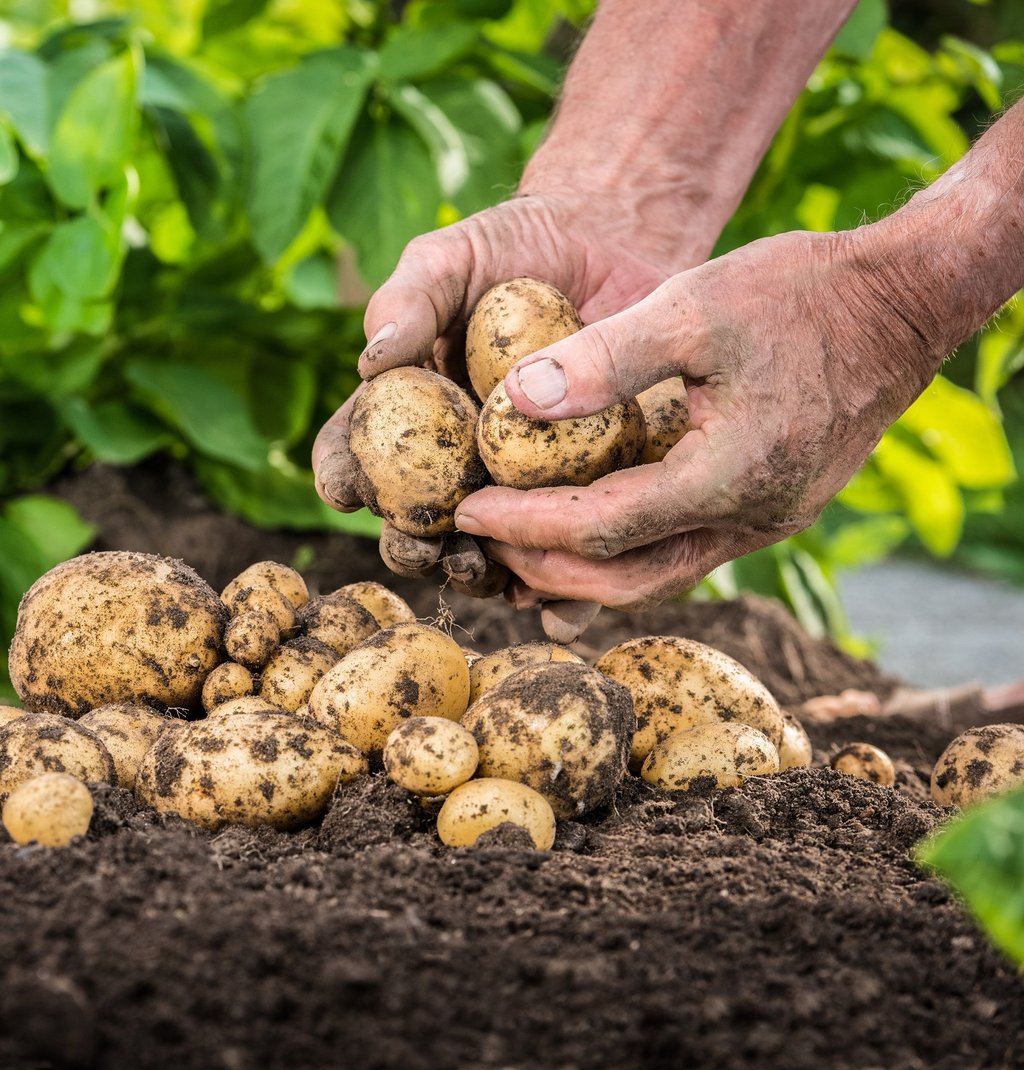
Dubbed the calorie king, potatoes produce more calories and nutrients per unit of land than any other major crop. A single acre could feed a family of six to eight for a year. They thrive in diverse, often hostile environments, surviving in marginal lands and poor soils where other crops fail.
Potatoes mature remarkably quickly, yielding a reliable harvest which can then be stored for months simply by burying them.
Unlike wheat, rice or barley, potatoes require no threshing, grinding or complex preparation before consumption, making them the ultimate military ration for commanders perpetually struggling with logistics.
These unique qualities played a pivotal role at the Battle of Ollantaytambo in Peru in 1537, allowing Inca warriors to sustain a large army in rugged terrain and inflict a rare humiliating defeat on the Spanish conquistadors.