Beyond Panama and Hormuz: 8 critical waterways under the global microscope
Amid US actions in the two major shipping channels, attention has shifted to the strategic importance and potential risks elsewhere

America’s actions in the two major shipping channels have grabbed headlines, and global attention is shifting to the strategic importance and potential risks of other critical trade waterways.
Some of the chokepoints were examined in a US Federal Maritime Commission (FMC) investigation in March last year of unfavourable shipping conditions, signalling America’s heightened focus on international routes and offering a glimpse of what else might be on its radar.
Strait of Malacca and Singapore Strait
Connecting the Indian and Pacific oceans, the two straits form a continuous corridor that is the world’s busiest route for crude oil and petroleum liquids in terms of barrels per day.
The roughly 800km (497-mile) funnel – under two nautical miles at its tightest point – carries nearly 40 per cent of global trade and about one-third of the world’s seaborne oil and other liquid cargo.
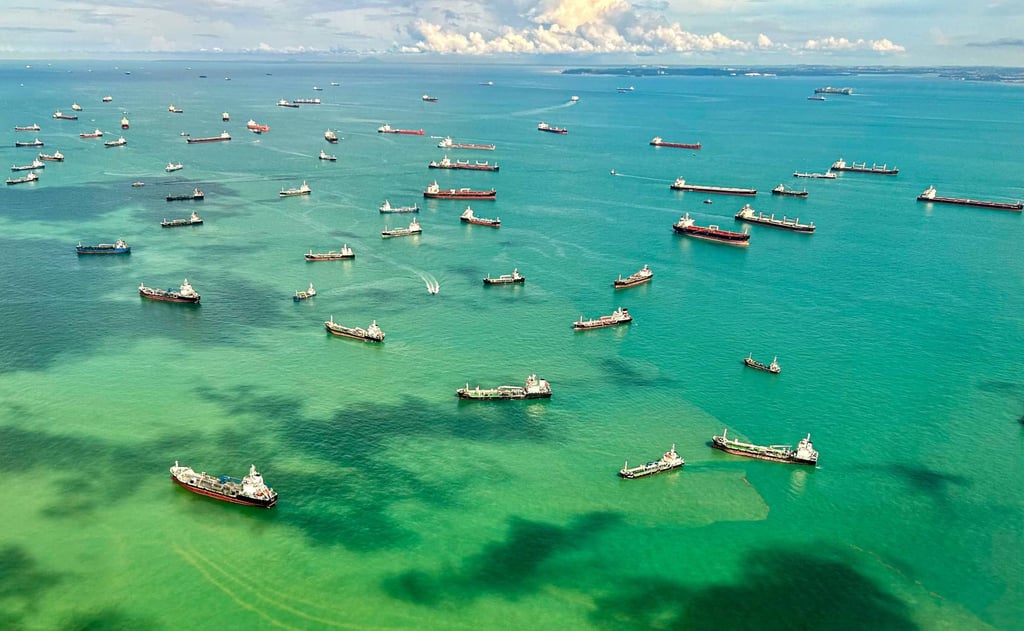
This makes it a critical maritime bottleneck linking the Middle East and Europe with the Asia-Pacific region.
China, as the world’s second-largest economy, relies heavily on the narrow channel for its oil imports, leading to the notion of a “Malacca dilemma”.