Millennials in Shenzhen find the dream of home ownership ever more elusive
Beijing struggles to take heat out of property market without losing steam in the economy

Vincent Chen, 26, bought a flat in the north of Shenzhen at the end of 2015, got married last year and felt he was almost broke.
It’s hard to separate marriage from home ownership in China. Under the decades-long one-child policy, now relaxed, couples expected their children to have their affairs in order before getting married, and a home was viewed as a necessary part of that equation. As the popular Chinese joke goes, the most urgent demand for housing comes from mothers-in-law.
To afford the 30 per cent down payment on the 2 million yuan (HK$2.26 million), 76-square-metre flat, Chen sold his investments before the stock market correction in mid-2015 and borrowed from his parents and in-laws to make up the rest. He took out a 30-year mortgage for 1.5 million yuan, which costs about 7,000 yuan each month in repayments – roughly half his salary as a bank clerk. He rents out the home for 3,000 yuan per month.
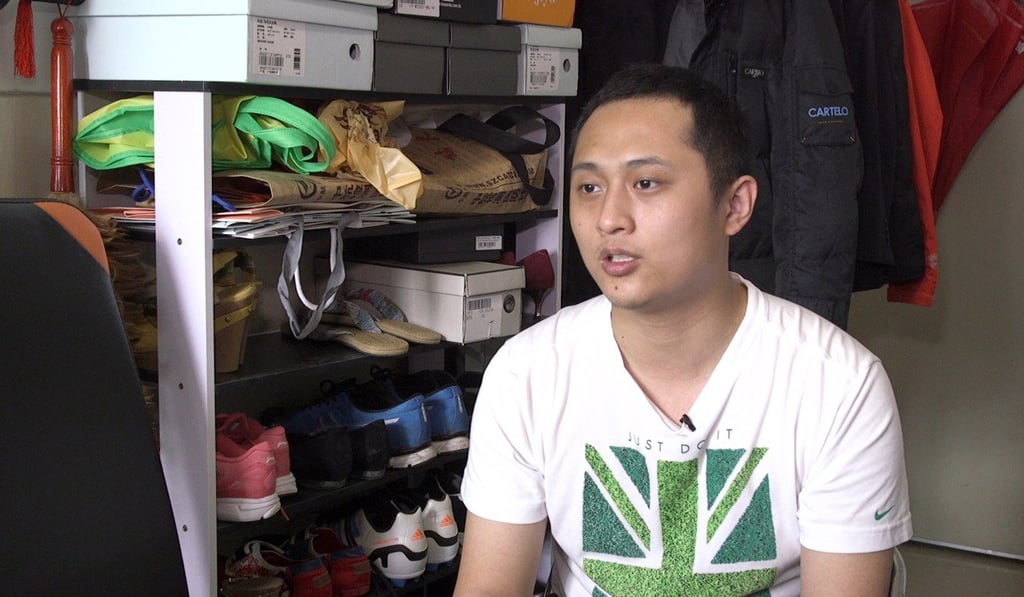
Chen is one of China’s millennials, born in the 1980s and 1990s, who have become a major force behind China’s home ownership rush. Seven out of 10 of this generation have bought a home, with financial support from their parents, according to a recent survey from HSBC. Among their peers who do not own homes, more than 90 per cent of those polled intended to buy one within five years, even if that meant cutting daily spending and delaying having children.
“I don’t spend much,” said Chen, who was born in Maanshan, a city of steel mills in Anhui province. He moved to Shenzhen in August 2013 and immediately fell in love with the booming border city facing Hong Kong because it felt “immigrant friendly and transparent, providing equal opportunities with no dialect barrier.”