How China’s new model for hi-tech firms can help it become a global leader in artificial intelligence and driverless cars
Dutch academic based at Zhejiang University argues that Chinese business ecosystems are completely different to those found in Silicon Valley

Barely a decade after the global financial crisis, China’s economy is shedding its “factory of the world” past and embracing an innovative future built on a business ecosystem supported by rising companies such as Baidu, Alibaba, Tencent and Xiaomi and more than 1,000 new venture investments by the country’s nouveaux riches.
Its ecosystem has put China on pace to become a global leader in electric and driverless cars within 10 years. It is also on track to become a leading Artificial Intelligence developer.
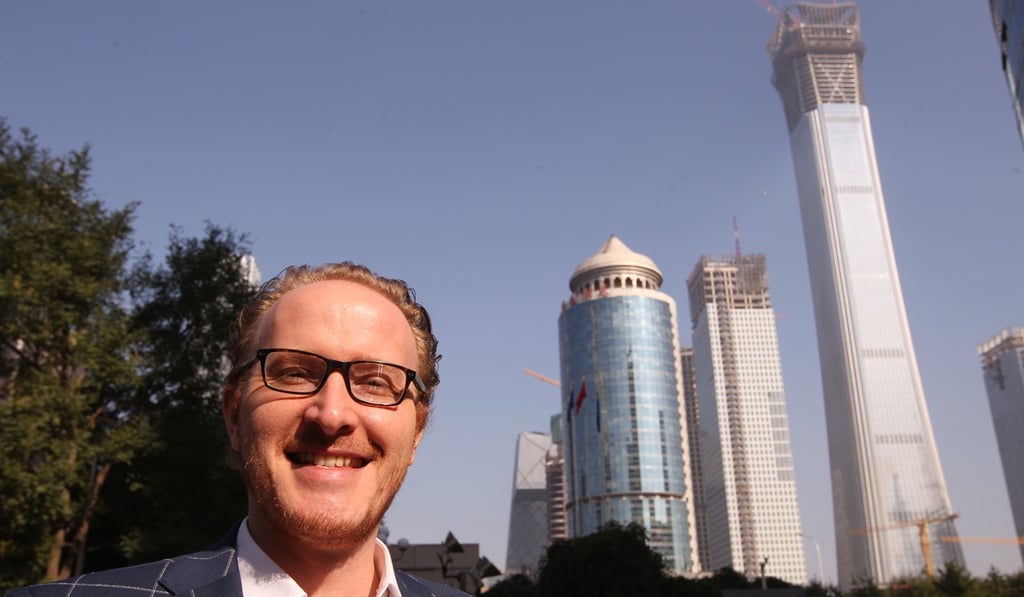
Those are the views of Mark Greeven, a Dutch associate professor at Zhejiang University’s school of management in Hangzhou, who has a “ringside seat” on fast-evolving developments in Chinese management and leadership.
Greeven, who co-wrote Business Ecosystem in China: Alibaba and Competing Baidu, Tencent, Xiaomi and LeEco with Wei Wei, said Chinese companies have found a new method of organisation that will help it become a global innovation leader.
The business ecosystems of Chinese companies differ sharply from those of US juggernauts such as Google, Amazon, Facebook and Apple, according to Greeven, whose book came out in September.
In the US, one company usually creates a platform which outside companies either plug into or use. In China, an outside company does not plug in, but becomes part of the business as one of hundreds of players in an ecosystem, Greeven argues.