Four cities played outsize role in Chinese economy
Shanghai, Beijing, Shenzhen and Guangzhou generated an eighth of national output last year, fuelling concerns the government isn’t spreading out resources

Nearly an eighth of China’s economic output was generated by just four cities last year, data from local authorities shows, adding fuel to the debate over the risks of relying on a handful of metropolises to drive national growth.
Shanghai, Beijing, Shenzhen and Guangzhou contributed a combined 10 trillion yuan (US$1.56 trillion) to output in 2017, according to the data. Yet that economic heft rests on a sliver of the population, with the four accounting for just 5 per cent of China’s 1.38 billion people.
China has been trying to limit population growth in some of its biggest cities and limit the knock-on effect on housing prices and strain on social services such as schooling. In Beijing, which has set a population cap of 23 million for 2020, authorities have ramped up a campaign to drive out migrant workers in “low-end” businesses, while exiling heavy industries to surrounding cities.
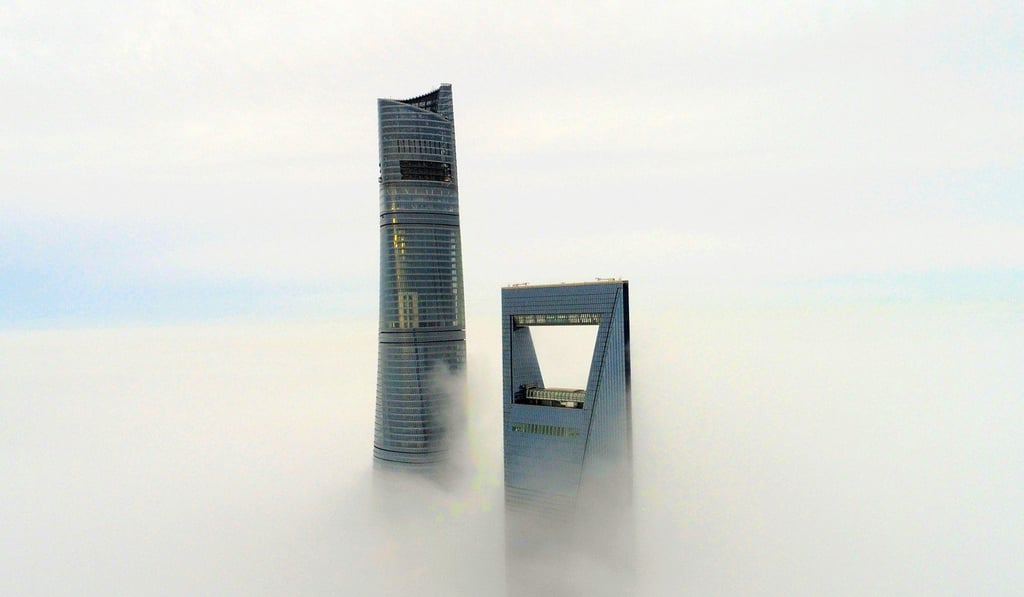
Shanghai has also been trying to contain its expansion, setting out a population cap of no more than 25 million by 2035. Yet the financial hub saw its gross domestic product hit 3 trillion yuan last year – the first regional economy to hit that threshold. Per capita GDP in the four cites was more than double the national average and close to the level of Portugal’s.
At the same time, economic growth in the four remains steady, with Shenzhen climbing at 8.8 per cent, Beijing at 6.7 per cent and Shanghai at 6.9 per cent, against a national increase of 6.9 per cent in 2017, according to the statistics bureau.