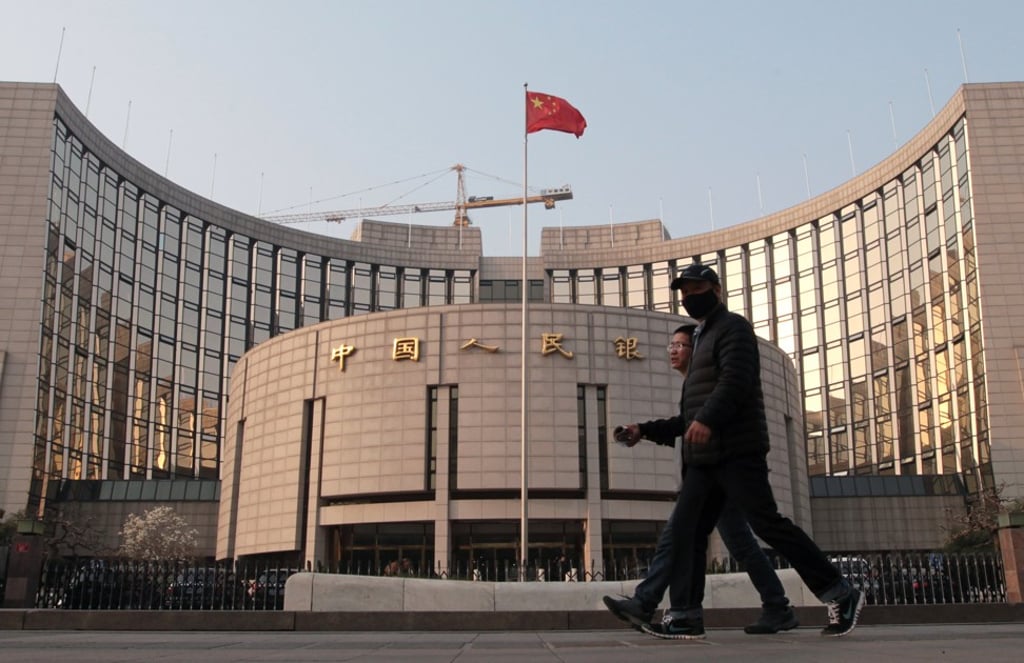
What’s changing at China’s central bank under its new leadership?
Change at the top could herald fresh approach to monetary policy

The new leadership team at China’s central bank may be starting the long overdue process of fixing monetary policy problems and taking a fresh approach to balancing growth and risk control.
Intensive changes have been seen within the People’s Bank of China in recent weeks since Yi Gang replaced Zhou Xiaochuan as governor and Guo Shuqing was installed as party boss.
The central bank has released a timetable for opening up to foreign investors, allowed banks to offer higher deposit rates to end “a dual-track” interest rate system, and tweaked the yuan exchange rate formation mechanism.
In a statement, the central bank denied it had changed its monetary policy, saying that 900 billion yuan of the released funds would be used to repay maturing medium-term lending facilities.
However, it is still a strong signal that the new central bank leadership is ready to restart work that had been halted or even reversed since the stock market rout in 2015.