Chinese military: Rocket Force drills prepare for possible US nuclear weapons attack
- Anti-CBRN exercises are a major training focus, simulating defence against chemical, biological, radiological and nuclear warfare
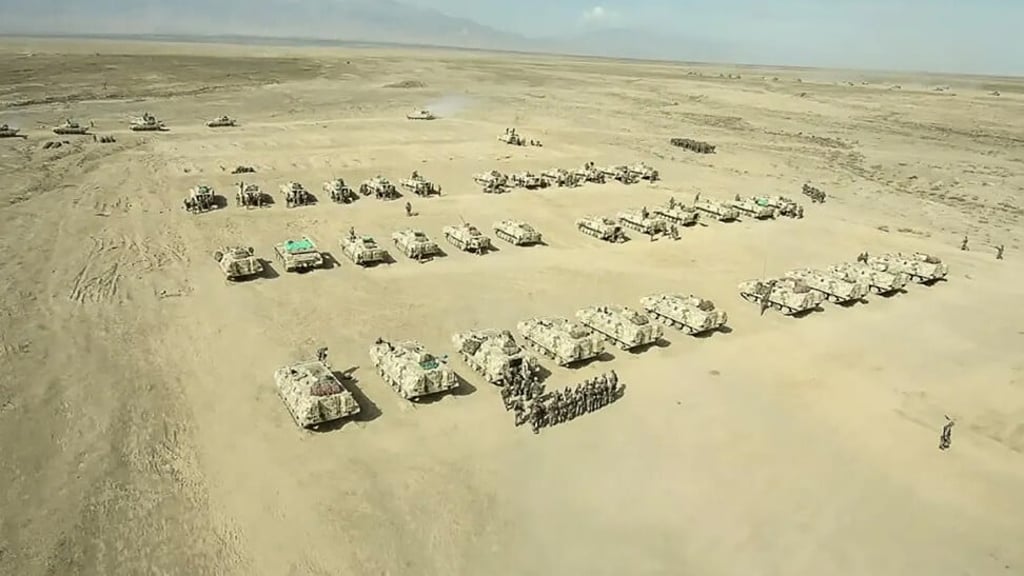
- Rocket Force’s largest anti-nuclear weapon drill involved thousands of soldiers and hundreds of military vehicles in the Gobi Desert
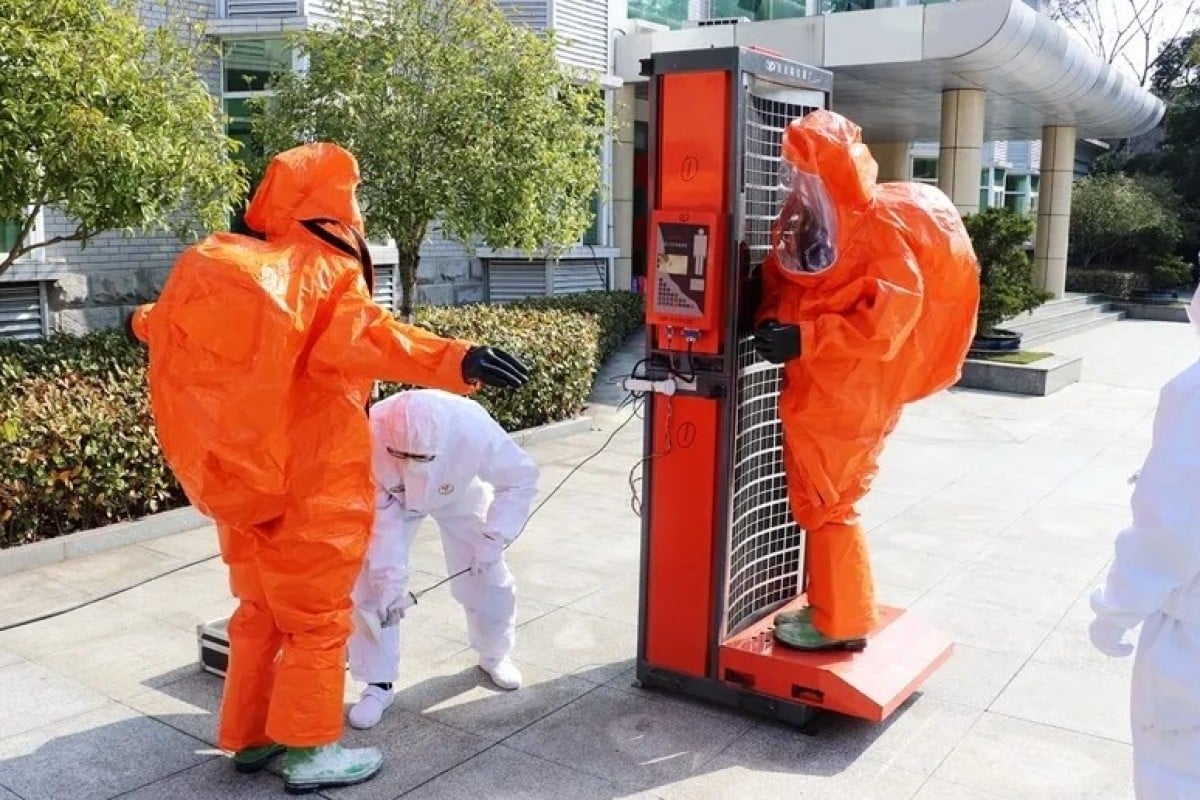
Since April, anti-CBRN exercises have become a major training focus in the Western Theatre Command and with the PLA’s Rocket Force troops, according to online reports and video footage posted on the WeChat social media accounts of the army’s military mouthpiece, the PLA Daily, and the missile force.
One drill video posted online on August 22 showed four first aid brigades from the Rocket Force called to rescue wounded soldiers from a base under a simulated nuclear weapons at night. The base was more than 2,000km (1,240 miles) away and the medical officers and first aid crews also needed to overcome “accidents” and “raids” on their way to the nuclear battlefield, according to the video.
The other drill – the rocket force’s largest ever anti-nuclear weapon drill involving thousands of soldiers and hundreds of military vehicles – had workers and combat troops wearing chemical protection suits while working in the Gobi Desert, where the temperature is over 40 degrees Celsius (104 degrees Fahrenheit). Medical staff also set up tents as temporary casualty stations for emergency surgery.
“Taking part in joint cooperation drills with frontline troops can help us understand nuclear accidents and battlefield situations in detail, which is helpful when we are making training plans for specific nuclear-attack treatments,” said Wang Jianan, director of the Rocket Force’s nuclear treatment centre, in the video.
“The US doesn’t give up on taking pre-emptive nuclear strikes. As China’s strategic missile force, the Rocket Force is also the major target of their American rival,” said Song, who is now a commentator for Phoenix Television.