Chinese missile launch ‘could raise risk of military clash with US’
- Firing ‘aircraft-carrier killer’ into South China Sea may contribute to a reinforcement of hawkish attitudes on both sides, analysts say
- Missiles are seen as a warning to the US but one that could cause misunderstanding or a hardening of Washington’s stance
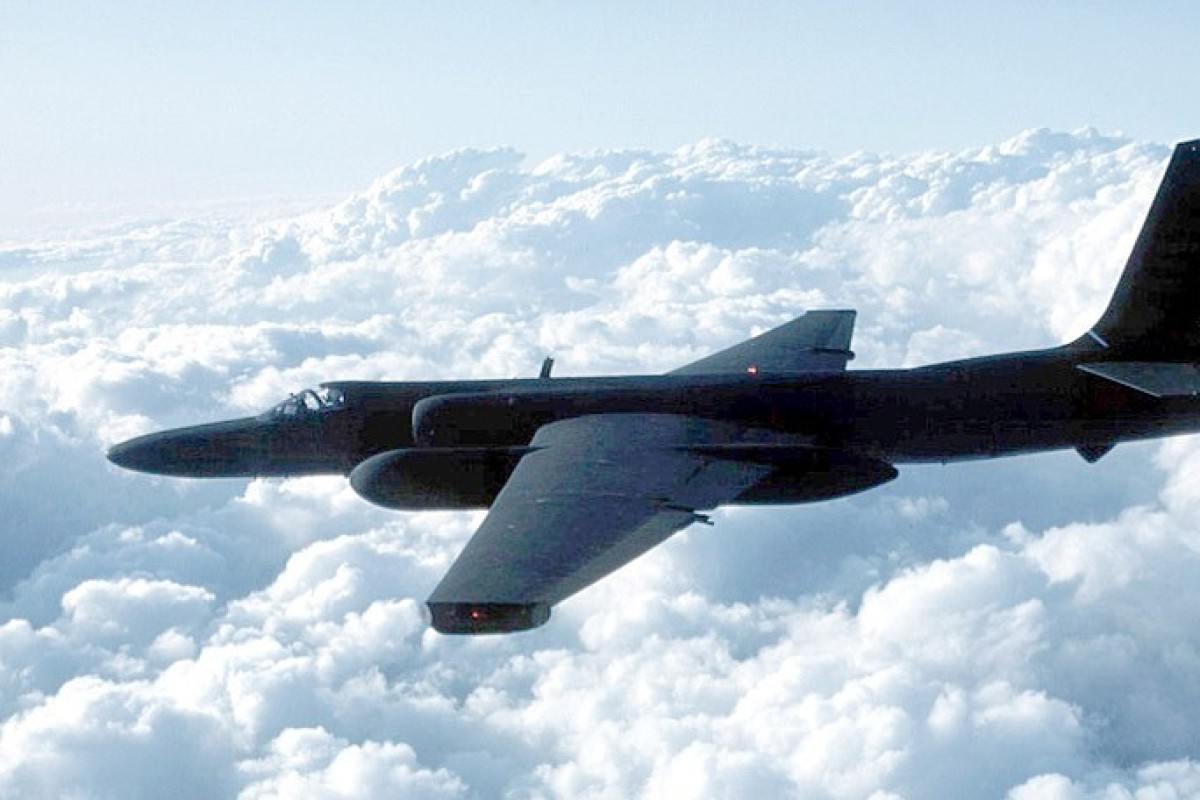
The US Defence Department said on Thursday that the launches threatened peace and security in the region. Beijing’s “actions, including missile tests, further destabilise the situation in the South China Sea”, the Pentagon said in a statement.
The DF-26 has a range of 4,000km (2,485 miles) and can be used in nuclear or conventional strikes against ground and naval targets. It is a type of weapon banned by the Intermediate-Range Nuclear Forces Treaty signed by the US and Soviet Union towards the end of the Cold War. When the US withdrew from the treaty last year, it cited China’s deployment of such weapons as justification.
The DF-21 has a range of about 1,800km. State media describe the most advanced in the series, the DF-21D, as the world’s first anti-ship ballistic missile. Both the DF-26 and DF-21 are capable of striking aircraft carrier groups.
Derek Grossman, a security expert from the US think tank Rand, said the missile launch would only deepen US mistrust of China’s intentions and further harden Washington’s stance against Beijing in all dimensions: diplomatic, economic and security.
“It seems unlikely … that the US military will back down, since there is now a whole-of-government effort to compete with and counter China both regionally and globally,” Grossman said. “It is more likely, however, that armed combat would come about due to miscalculation.”
Grossman said a war between China and the US was still unlikely, but there was a chance of miscalculation.
“If China were to fire another DF-21D missile, and it came close to a US carrier traversing the region, the US military might respond with force because it thought the missile simply missed its target,” Grossman said. “Then the situation could escalate from there.”