China’s military modernisation continues with new commanders’ swift promotions
- Quartet promoted to lead commands and branches gain rank less than two years after previous promotions, in break with tradition
- Western and southern theatre commands, ground force and strategic support force have new commanders

The promotions mean half of the 10 top People’s Liberation Army (PLA) commanders, covering the five theatre commands and branches, are aged 60 or younger, in what military observers saw as reflecting the ongoing military reform, which highlights that military officers’ positions should be consistent with their ranks.
06:24
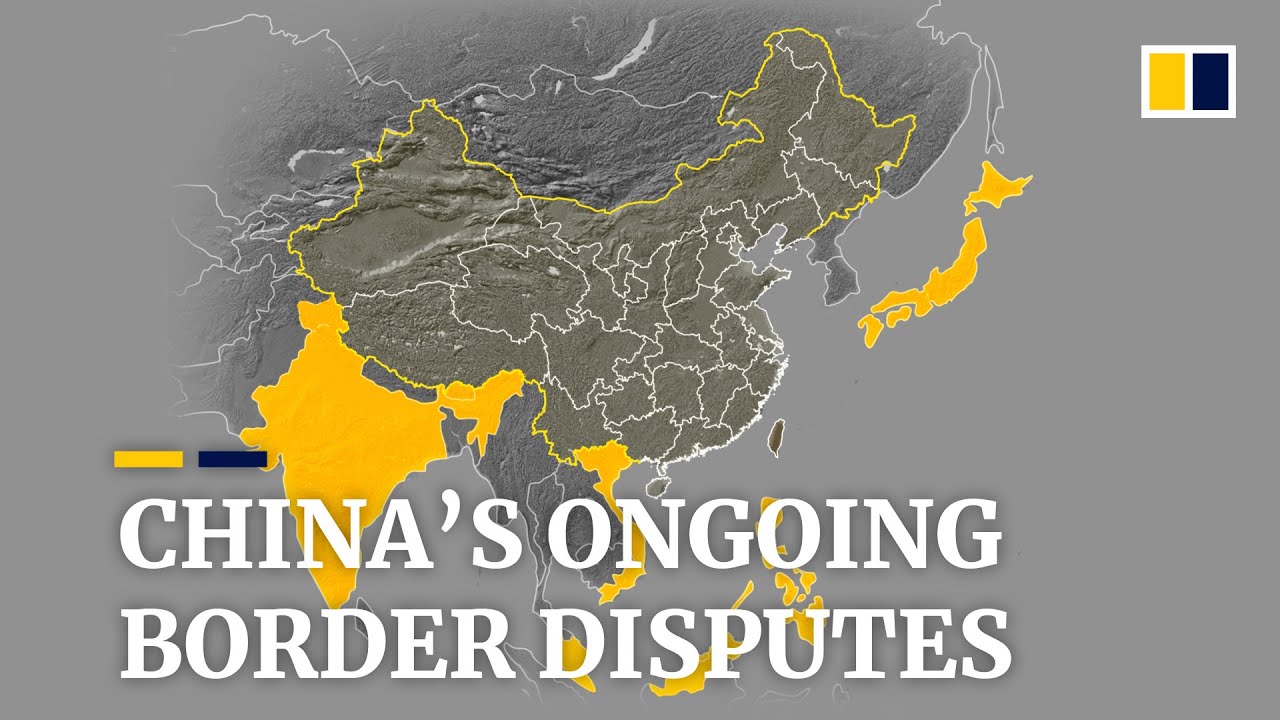
Explained: the history of China’s territorial disputes
That clash, the first deadly incident at the Himalayan border in 45 years, occurred two months after Xu swapped posts with He Weidong, 64, who is now chief of the Eastern Theatre Command, covering the Taiwan Strait and the East China Sea.
Xu has experience with four of the PLA’s five theatre commands. He was also chief of staff at the former 54th Army Corps, an elite PLA fighting force known for its involvement in the crackdown on a Tibetan uprising in 1959 and the suppression of the Tiananmen Square protests in 1989.