Why China reacted so strongly to its Tiangong space station’s near-misses with Elon Musk’s satellites
- The two incidents this year involving satellites from Elon Musk’s company SpaceX prompted a complaint to the UN and calls on the US to act
- China is worried America wants to dominate space and some observers believe the tech entrepreneur’s company may serve that ambition

The Chinese space station was forced to manoeuvre to avoid hitting the satellites, one of which came within 4km (2.8 miles) of a collision, and Beijing later sent a note to the United Nations complaining about the close encounters.
Beijing has repeatedly demanded the US avoids similar incidents, and called on Washington to be a “responsible player”.
SpaceX has sent more than 1,900 satellites into space since 2019 and will have more than 42,000 in orbit when its programme is complete.
05:06
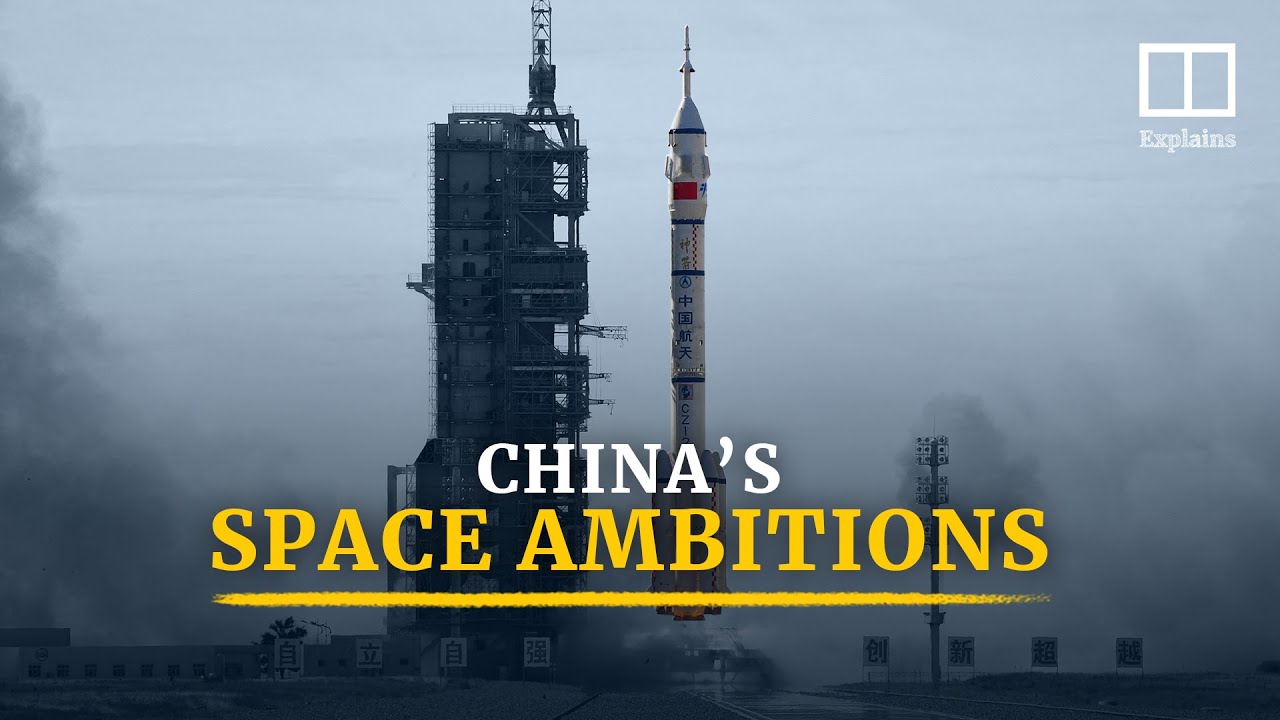
How China’s space programme went from launching satellites to building its own space station
Song Zhongping, a former PLA instructor, said: “If Musk’s satellites occupy large portions of [the near-Earth and sun-synchronous] orbits, it leaves little opportunity for other nations to send their own satellites.