-
Advertisement
US-China relations
ChinaMilitary

China-US relations: Washington unites around mission to prevail over Beijing by boosting defence spending

  • Bipartisan accord is rare on Capitol Hill, making budget requests for military spending easier to justify
  • Programmes addressing a potential contest with China – such as long-range cruise and hypersonic missiles – better funded than rest of budget: researcher

Reading Time:4 minutes
Why you can trust SCMP
61
Beijing’s rising defence spending and rapid military modernisation have helped both sides of Washington’s political divide come together to agree to boost defence spending. Photo: Xinhua
Jack Lau
As US military chiefs and defence officials sat before Congress appropriations committees to seek funding for the 2024 financial year, one country dominated discussions: China.
United States Secretary of the Air Force Frank Kendall raised concerns about China’s expanding nuclear arsenal and Secretary of the Navy Carlos Del Toro spoke of China’s fishing fleets that “prey on countries” weak in protecting their exclusive economic zones.
General Mark Milley, chairman of the Joint Chiefs of Staff, said the US must prevail over China in all domains of war to preserve the peace between great powers that has been kept since World War II.

01:46

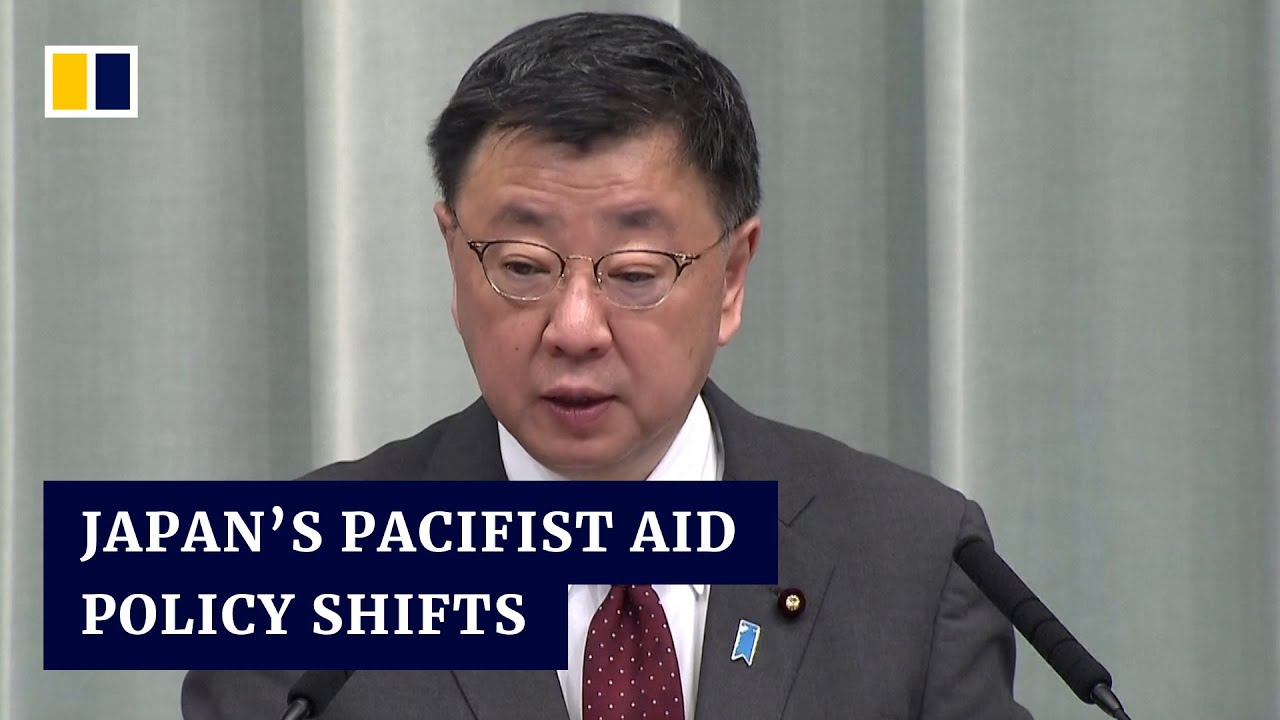
Japan to offer military aid to ally nations in historic departure from post-WWII military pacifism

Japan to offer military aid to ally nations in historic departure from post-WWII military pacifism
Beijing’s rising defence spending and rapid military modernisation – helped by the military-civil fusion strategy that enlists China’s private sector to develop advanced defence technologies – have fomented a strong consensus between the Congressional Republicans and Democrats on China.
Advertisement

Such bipartisan accord is a rarity on politically polarised Capitol Hill, making budget requests for military spending easier to justify.

“They’ve had better reception given the bipartisanship because the administration is very focused on China,” said Mark Cancian, an international security programme adviser at the Centre for Strategic and International Studies (CSIS), a Washington-based think tank.

Advertisement

He pointed to US President Joe Biden’s 2019-20 campaign rhetoric which was already underscoring the need to address China’s rise. Once in office, Biden added to the litany of sanctions imposed by his predecessor Donald Trump targeting China’s military-industrial complex.

Advertisement
Select Voice
Select Speed
1.00x