Nasdaq cracks down on IPOs of small Chinese companies that trade thinly and are controlled by a few insiders
- A growing number of these flotations end up raising most of the capital in their IPO from Chinese sources, rather than from US investors
- Their low liquidity makes them unattractive to many large institutional investors, to whom Nasdaq is seeking to cater

Nasdaq Inc is cracking down on initial public offerings (IPOs) of small Chinese companies by tightening restrictions and slowing down their approval, according to regulatory filings, corporate executives and investment bankers.
Nasdaq’s attempt to limit these stock market flotations comes as a growing number of them end up raising most of the capital in their IPO from Chinese sources, rather than from US investors.
The shares of most small Chinese companies trade thinly following their US listing, because most of them stay in the hands of a few insiders. Their low liquidity makes them unattractive to many large institutional investors, to whom Nasdaq is seeking to cater.
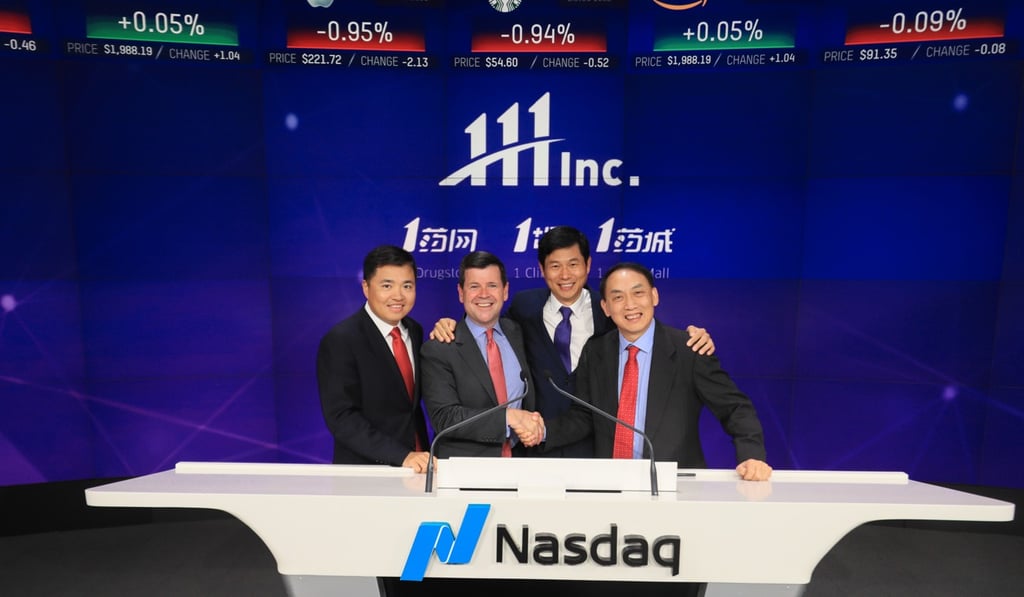
For example, when 111 Inc, a Chinese online pharmacy network, raised US$100 million in its IPO on Nasdaq last year, shares were mainly sold to connections of the company’s executives, 111 CEO Liu Junling told Reuters in an interview.
Digital influencer incubator Ruhnn Holding Ltd, after-school education provider Puxin Ltd, and pet product manufacturer Dogness International Corp are other examples of Chinese companies that listed on Nasdaq in the last two years with more investors from China snapping up their shares than from the United States, according to sources close to the companies. Ruhnn, Puxin, and Dogness did not respond to requests for comment.