What China’s ‘market Maoists’ tell us about modern trade tensions
- Historian Jason Kelly argues that the Chinese Communist Party has stressed the importance of economic ties long before the reforms of the late 1970s
- New book argues that concepts used today such as ‘equality and mutual benefit’ date back to the Mao Zedong era

In conventional narratives of China’s economic rise, the action starts in 1978, when Deng Xiaoping launched sweeping reforms to open up trade and investment with Western capitalist countries following the death of Mao Zedong.
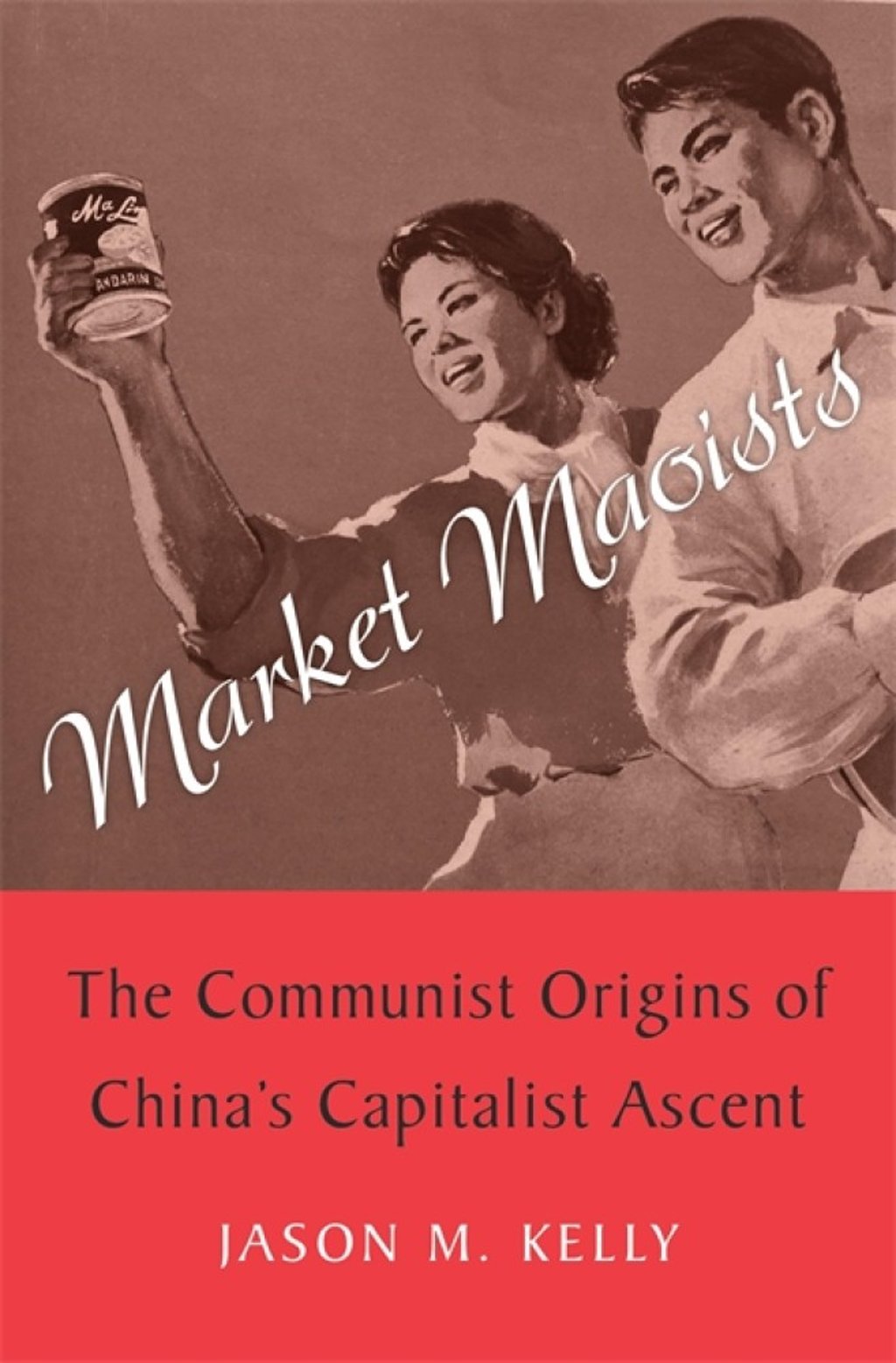
But in his new book, called Market Maoists, historian Jason Kelly argues that China’s Communists emphasised the importance of economic ties with market economies long before the 1970s.
He tracks the history of the Chinese Communist Party’s trade strategy, from selling soybeans to fund its civil war battle with the rival Nationalists, to deals made by Communist bureaucrats to import technology from Europe in the face of a US embargo.
In an interview with Bloomberg News, Kelly discussed his views on how those events shape the party’s thinking on trade to this day.
Your book overturns a common view that under Mao, Beijing did not often seek out trade and investment relations with capitalist countries or US allies. What are the most important things that have been forgotten?