Five things you need to know about China’s one-child policy
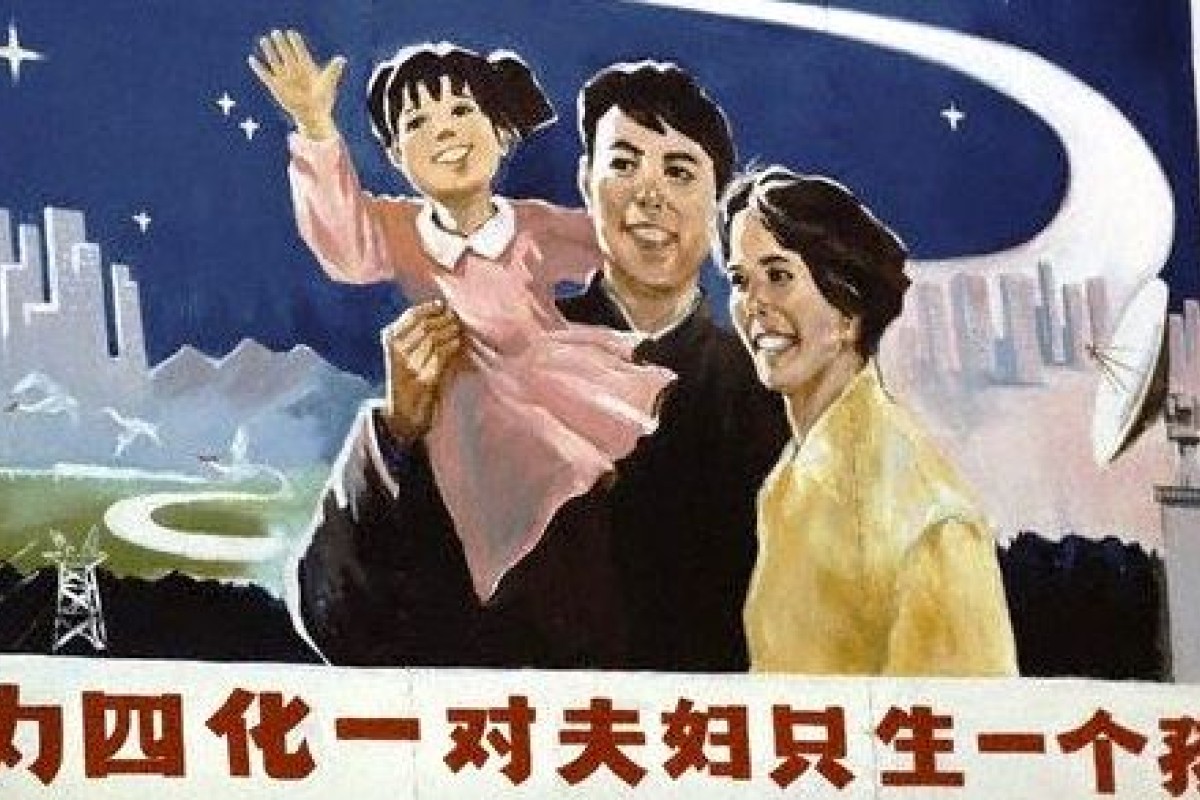
1. The policy was rolled out in 1980 and was strictly enforced. Civil servants and employees of government -affiliated organisations, including universities, risked losing their jobs if they were found to have had more than one child. Women who violated the one-child policy would have to have an abortion or face a hefty penalty. If their parents did not pay a fine, second children could not be registered in the national household system, meaning they did not exist legally.
2. Several groups were exempt from the policy. There were no limits on the number of children in ethnic minority families, and Han Chinese families with rural household registrations were allowed two children. In November, 2013 families where one parent was an only child were allowed to have two children.
3. Between 24 million and 34 million more boys than girls were born in the past three decades. Many of these men will struggle to find wives, at least on the mainland. The one-child policy exacerbated a traditional preference for boys, leading to selective abortions or infanticide targeting girls. Families also became lopsided, with the one child being doted on, but in return having to care for, two parents and four grandparents, a heavy burden for many. Couples whose only child died as an adult, too late for them to have another, were particularly hard hit.
4. The mainland’s birth rate is 1.18 children for every couple. This is significantly lower than the global average of 2.5 and 1.7 in developed countries