Chinese resorts are quietly setting up baccarat tables in Hainan, and Macau may have reason to be nervous
At least five Chinese-owned resorts are laying the groundwork for quasi-casinos that would let players redeem winnings for goods and services, ahead of expected rule changes from Beijing

They’re not quite casinos, but they’re pretty close – and they could be coming to China sooner than some expected.

From our conversations with people on the ground, they are positively excited about the changes that appear to be coming through soon
While China currently outlaws casinos outside Macau, the resorts are betting that Hainan will win an exemption for entertainment bars as part of a government push to turn the island known as “China’s Hawaii” about 2,700km south of Beijing into a major tourist destination. If they’re right, it would mark another big shift in the country’s approach to gaming after officials unveiled landmark measures to promote horse racing and sports lotteries in Hainan two months ago.
It’s unclear whether provincial and national authorities would sign off on such projects – also known as “cashless casinos” – and they’ve given no public indication that a policy change is imminent. The recent flurry of activity follows a favourable court ruling on entertainment bars in December, which was interpreted by some observers as an official stamp of approval.
“From our conversations with people on the ground, they are positively excited about the changes that appear to be coming through soon,” said Ben Lee, a Macau-based managing partner at consultancy IGamiX, which has been working with developers in Hainan for a decade. Entertainment bars “would undoubtedly draw mainlanders who have never been overseas to try gaming,” he said.
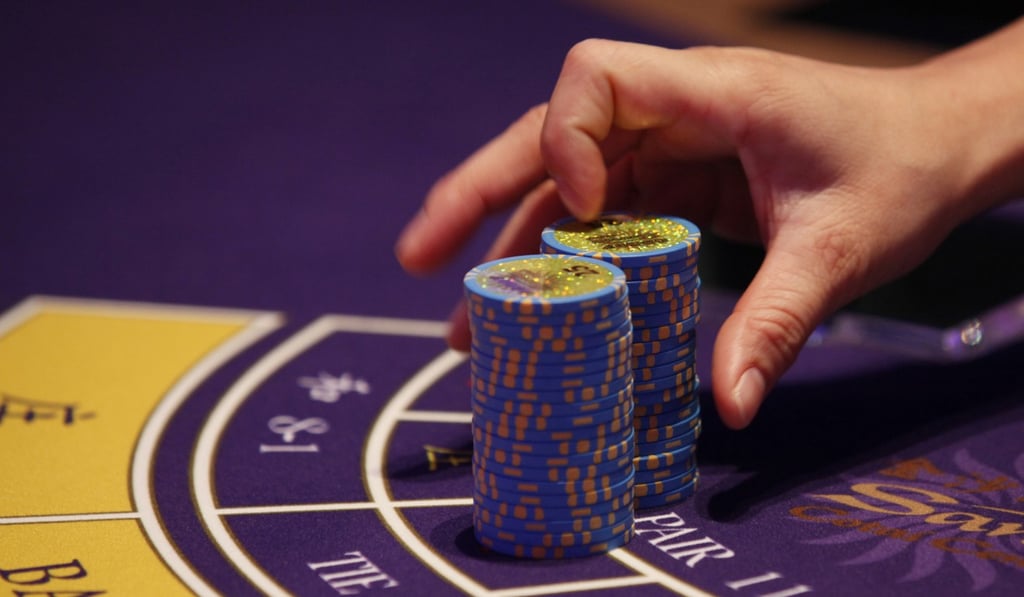
The games could provide a boost to Hainan’s tourism-related businesses, while at the same time allowing regulators to avoid many of the money-laundering and capital-outflow risks associated with traditional gambling operations. Entertainment bars are unlikely to appeal to China’s high rollers, but they could lure casual punters who dislike the hassle of obtaining visas and foreign currencies for overseas trips.