China’s ‘war on pollution’ moves to countryside with new plan to clean up rural land and water
Plan approved ‘in principle’ also seeks to cut use of pesticides and fertilisers

China’s environment ministry has approved a new plan to tackle growing pollution threats in its vast countryside, and will strive to clean up contaminated rural land and drinking water and improve waste management, it said on Tuesday.
The new plan, approved “in principle” by the Ministry of Ecology and Environment on Monday, also mandates cuts in fertiliser and pesticide use and improved recycling rates throughout the countryside.
China is in the fifth year of a “war on pollution” designed to reverse the damage done by decades of untrammelled economic growth, but it has so far focused primarily on air quality along the industrialised eastern coast, especially around the capital Beijing.
“Alongside the improvements in urban air quality, the quality of the environment in many rural areas has not improved and in some areas it is still deteriorating,” said Ma Jun, director of the Institute of Public and Environmental Affairs, a non-government organisation focusing on pollution monitoring in China.
China’s countryside has struggled to cope with land and water pollution caused not only by unsustainable farming practices, but also by poorly regulated, privately-owned mines and manufacturing plants, as well as rising volumes of plastic waste.
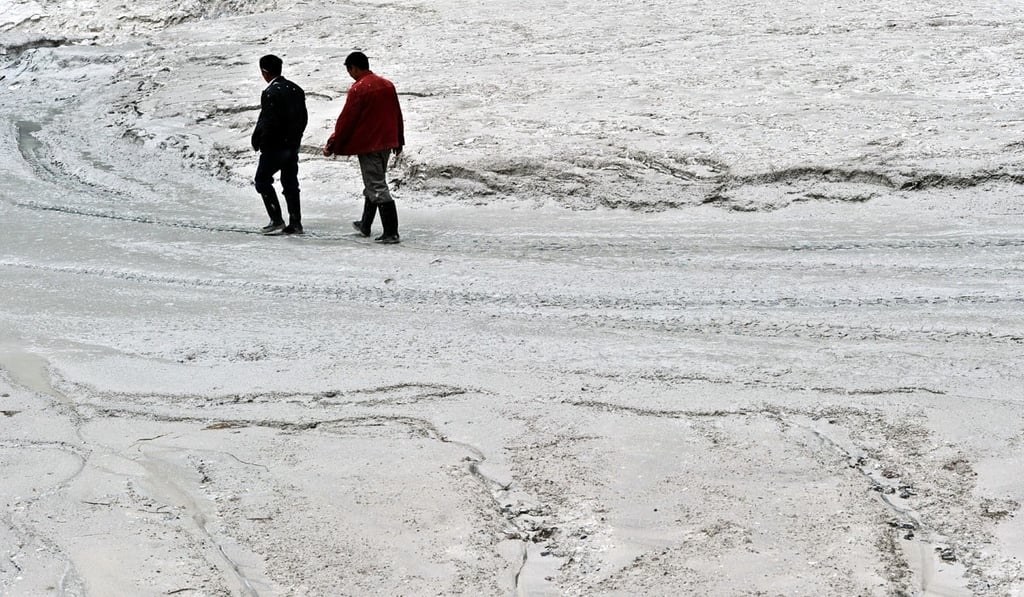
Rehabilitating contaminated land has become a matter of urgency for the Chinese government, which is under pressure to maximise food production while at the same time it is setting aside one-quarter of the country’s land as off-limits to development by 2020.