Is Beijing’s offer of residence permits to Taiwanese a trick or treat?
More than 22,000 mainland-based Taiwanese have already obtained the cards but critics say they are being duped

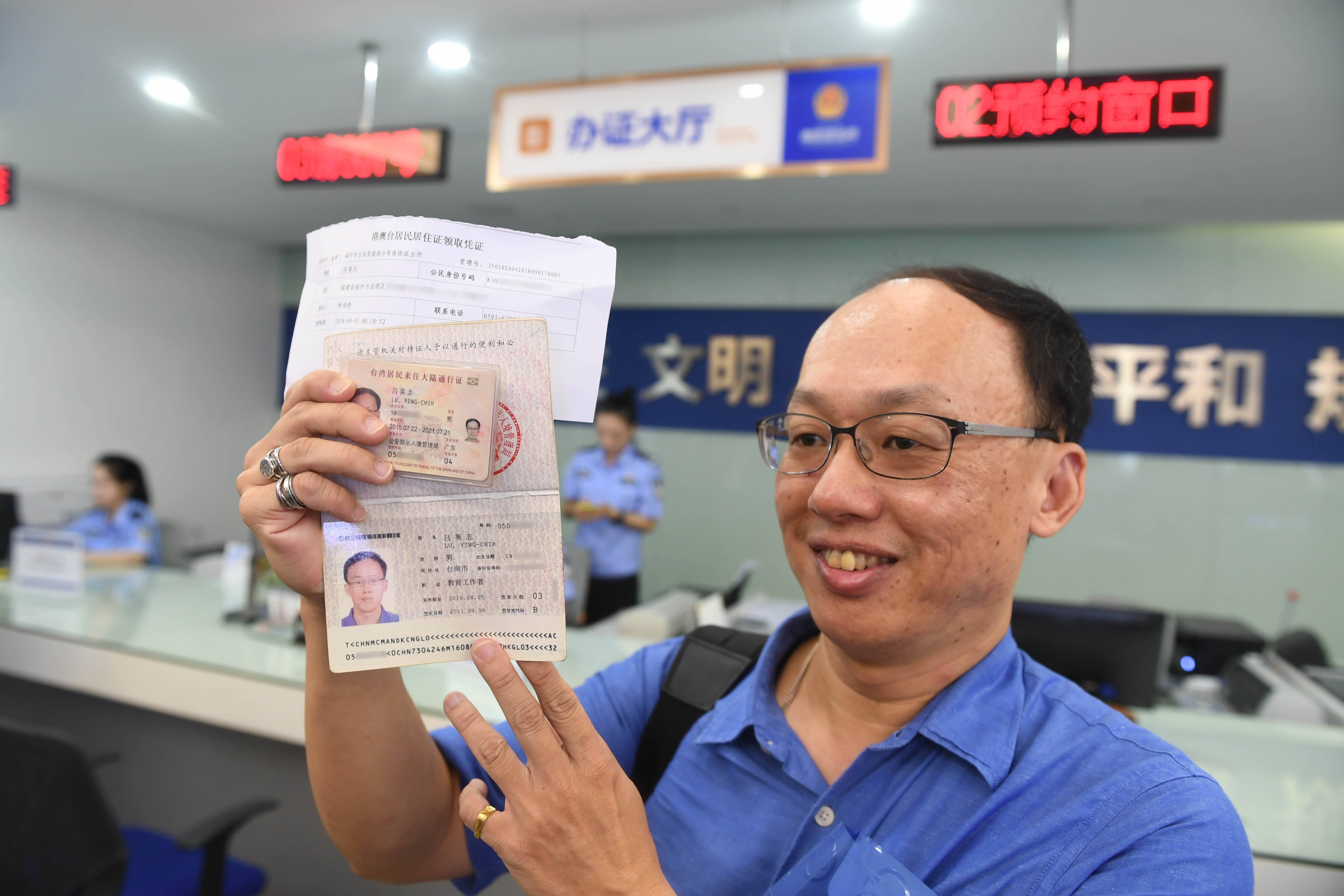
A small smart card introduced by Beijing that offers Taiwanese a range of incentives to live and work on the Chinese mainland has generated an outsize controversy over whether its real aim is to win over residents of the self-ruled island and pave the way for future unification.
Since the start of the month, people from Taiwan, as well as those from Hong Kong and Macau, who have worked or studied on the mainland for more than six months have been eligible to apply for the new residence permits.
In the first 10 days of September, more than 22,000 mainland-based Taiwanese obtained the cards, according to the Taiwan Affairs Office in Beijing.
Holders of the permits are entitled to benefits and privileges including employment, access to housing fund schemes, basic medical care, legal help and social insurance.
Applying for driving licences, catching domestic flights and trains, and taking professional qualification tests are also more convenient, according to regulations issued in August.
Beijing officials say the scheme is designed to make it easier for people from the three locations to work on the mainland, but authorities and critics across the Taiwan Strait argue that it is merely an attempt to lure Taiwanese people to relocate to the mainland and so diminish the self-ruled island’s identity.
Raymond Sung, a member of the supervisory board of Taiwan Democracy Watch, a pro-independence group, said the residence permit scheme was “China’s latest tactic to chip away at Taiwan’s sovereignty”.