The decline and fall of Chinese Buddhism: how modern politics and fast money corrupted an ancient religion
China has thousands of Buddhist clerics but no spiritual leader of international standing, say monks and academics

When filmmakers descended on China’s ancient Shaolin Monastery to make the 1986 box office hit Martial Arts of Shaolin starring Jet Li, they were shocked to find no monks.
The 1,500-year-old monastery, in the Song Mountains in Henan province, is renowned as the cradle of Chan Buddhism but decades of neglect and oppression had taken their toll.
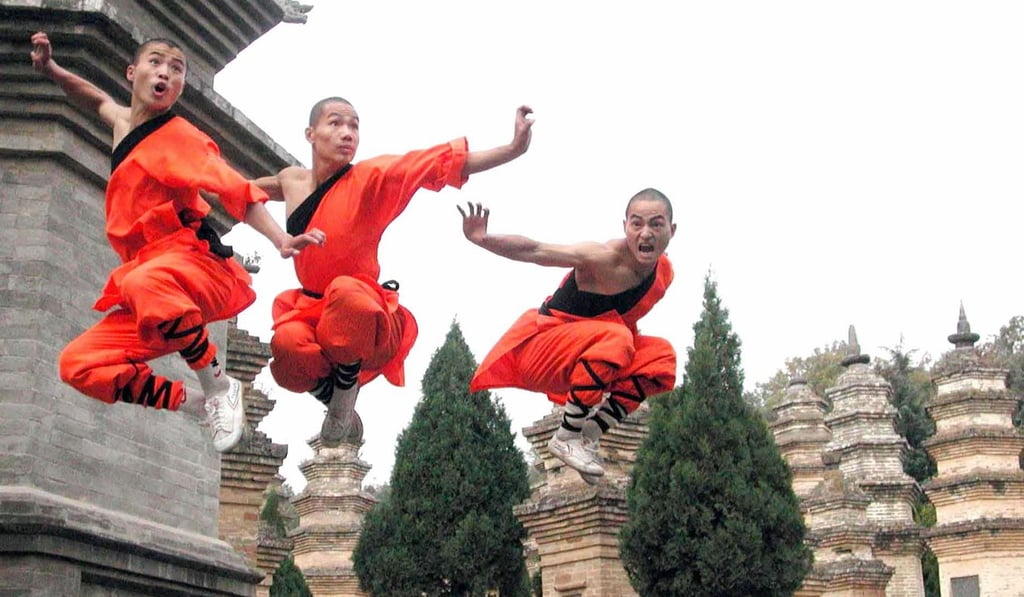
The monastery’s reputation as a centre for kung fu had remained intact but the Buddhist practice behind the martial art had vanished, according to former Hong Kong actress Mary Jean Reimer.
“It was occupied by peasant-style security guards. Even the incense burners were sealed with boards,” said Reimer, a Buddhist devotee who was at Shaolin with her director husband Lau Kar-leung.
Reimer said the monks in the film were all played by martial arts practitioners. Many of them continued performing for temple visitors after the film became a hit, even though few, if any, of them followed any Buddhist discipline, she said.
The hollow core at the monastery reflected the appalling state of Buddhist institutions throughout the country, a decline that continues today as the centuries-old tradition is dogged by corruption scandals and a dearth of internationally recognised spiritual leaders.