Of life and death: Xiao Yang, former head of China’s Supreme People’s Court, dies at 80
- Reformer said to have saved hundreds of lives by reintroducing reviews of cases involving capital punishment and bringing an end to secret trials
- First formally trained judge to hold the top job, Xiao strove to improve the professional education of the nation’s adjudicators

Legal scholars and lawyers have been mourning the death of Xiao Yang, the former president of China’s Supreme People’s Court who is best remembered for his reforms on capital punishment and efforts to increase transparency within the judiciary.
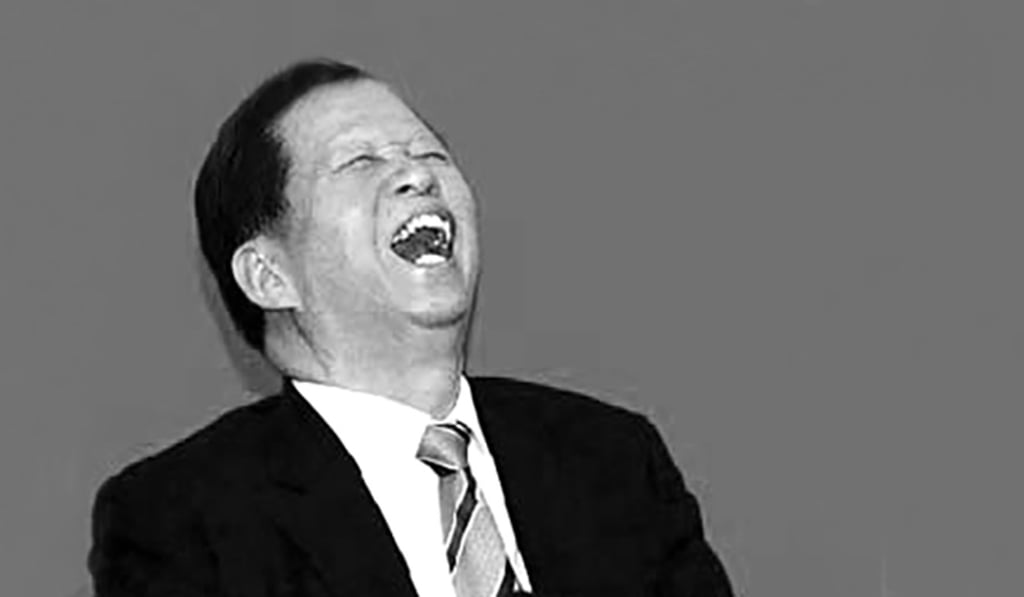
The country’s top judge for a decade until 2008, Xiao died on April 19 at the age of 80 after a period of illness. A photograph shared on social media of him laughing at the 2008 National People’s Congress in Beijing – China’s rubber-stamp parliament and an event not normally associated with joviality – has provided a backdrop for people to pay their last respects.
“[Xiao] was fairly open-minded and well recognised by people inside and outside the government,” said Xu Xin, a law professor at the Beijing Institute of Technology, who represents people involved in politically sensitive legal cases.
“His efforts to reform the death penalty system saved numerous lives and his push for judicial openness is still being implemented … [His work] has become part of the basis for building a fairer judicial system.”
Xiao initiated a series of reforms while head of the top court, the most significant being the restoration of its right of review cases where the sentence is capital punishment. He also openly slammed the decades-long tradition of holding trials in secret, effectively paving the way for public access to almost all courtrooms.