Artificial intelligence is watching China’s students but how well can it really see?
- The country’s schools and universities have been keen adopters of AI, applying the technology in classrooms and dormitories
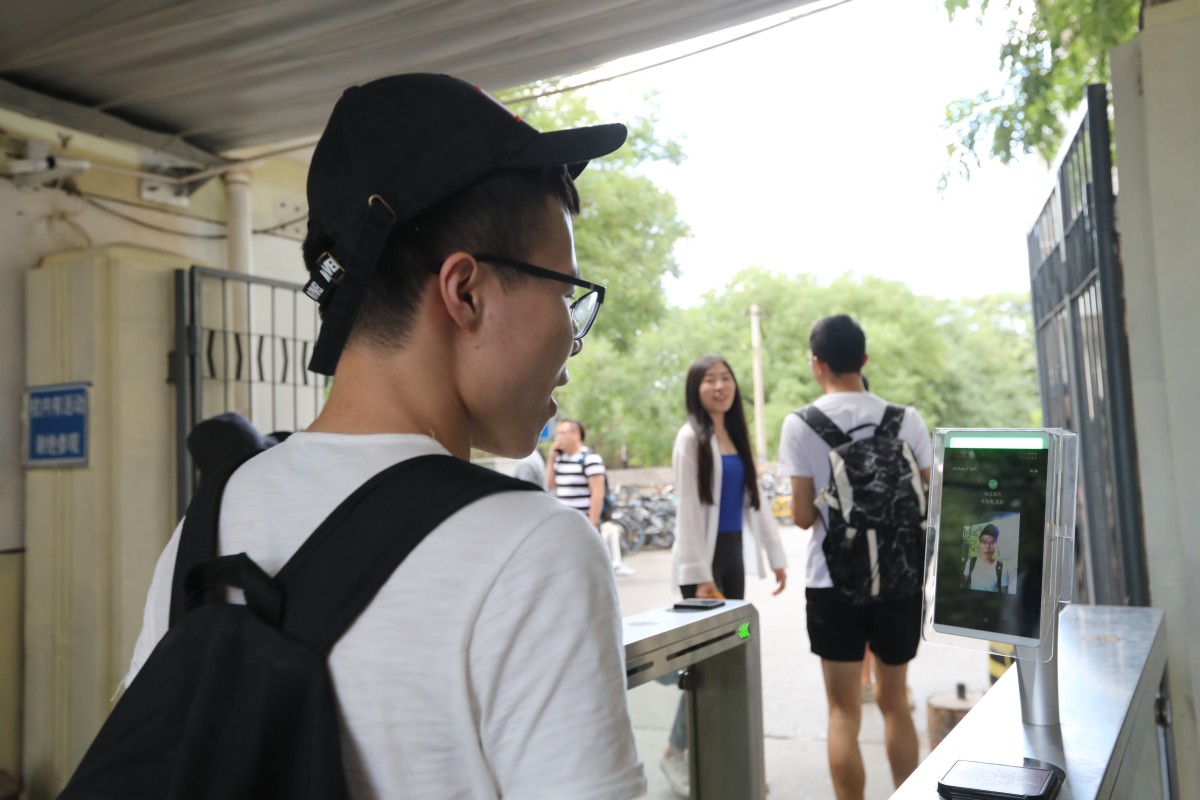
Almost every second of Betty Li’s school life is monitored.
The 22-year-old student at a university in northwestern China must get through face scanners to enter her dormitory and register attendance, while cameras above the blackboards in her classrooms keep an eye on the students’ attentiveness.
Like many other educational institutions across the country, the university in Xian, Shaanxi province, deployed AI-powered gates and facial recognition cameras several years ago as a part of the “smart campuses” campaign promoted by the Ministry of Education. Some schools are even exploring ways to use artificial intelligence to analyse the behaviour of teachers and students.
The universities are at the forefront of a national effort to lead the world in emerging technologies and move China’s economy up the value chain.
But the surveillance of students has raised privacy issues for educators and parents, as well as big questions over the effectiveness of the technology.
After long exposure to the scanners at her Xian university, Li is used to the technology’s constant presence – and its obvious failures. The “smart” facial recognition system cannot recognise her if she wears different glasses and there are long queues to get through the door to her dormitory.