China subsidising Xinjiang companies’ use of forced labour, US lawmakers told
- Apparel is the primary sector affected, and the US is a major recipient of such exports, says a report by the Centre for Strategic and International Studies.
- Forced labour is becoming an essential part of Beijing’s effort to ‘re-educate’ Muslim minorities in China’s far west, report says

Forced labour is increasingly forming an integral part of Beijing’s efforts to “re-educate” Muslim minorities in China’s far west, according to a new report by a major US think tank and testimony by experts delivered on Thursday on Capitol Hill.
According to United Nations estimates from last year, around 1 million Uygurs and other largely Muslim ethnic minority groups are being forcibly held and subject to political indoctrination in the Xinjiang Uygur autonomous region.
Government officials in China maintain the detention centres are “vocational training centres” and claimed in July that most of the inmates have been released.
But the camps form “only one piece of the whole puzzle”, said US-based scholar Adrian Zenz, who told lawmakers on Thursday that Beijing was simultaneously pursuing a strategy “to place the vast majority of minority adults into different forms of coercive or at least involuntary labour”.
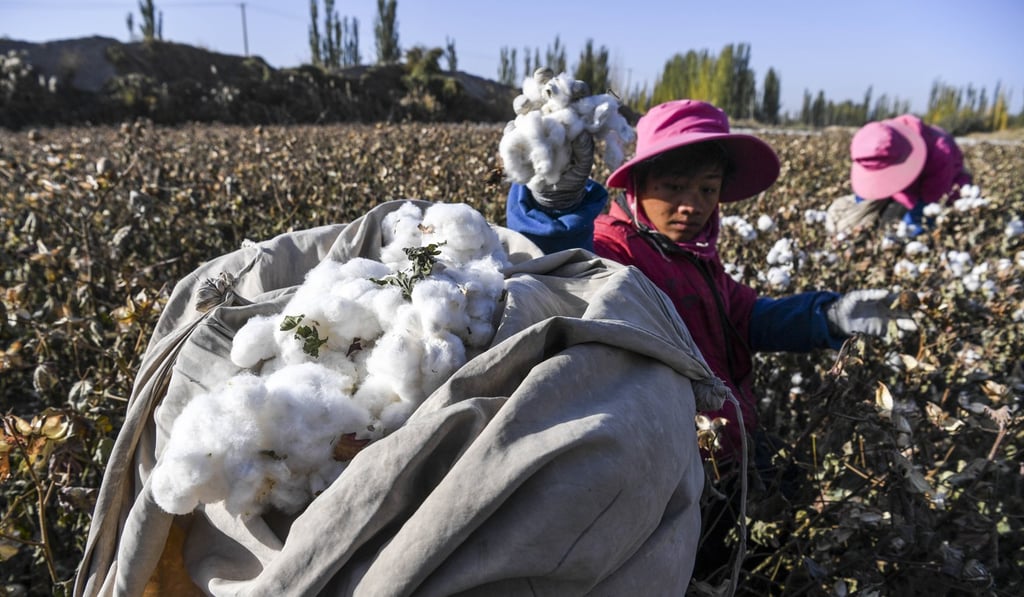
Testifying before legislators on the Congressional-Executive Commission on China (CECC), Zenz said that camp detainees were being put to work in factory jobs located in or near to camp compounds in a “grand scheme” of coercive labour.