Chinese pharmaceutical firm accused of using fake doctors, misleading claims to drive OxyContin sales
- Allegations made against Mundipharma, an affiliate of Purdue Pharma, which is facing thousands of lawsuits in the US over claims made about its painkiller
- Mundipharma tells doctors that time-release painkillers like OxyContin are less addictive than other opioids, according to interviews with current and former employees and company’s own training and marketing materials

OxyContin is a dying business in the United States. Purdue Pharma, owned by the billionaire Sackler family, is collapsing under an avalanche of lawsuits that accuse the company of using false claims to push its blockbuster painkiller in the US, profiting as an unsuspecting nation slipped into a devastating drug crisis.
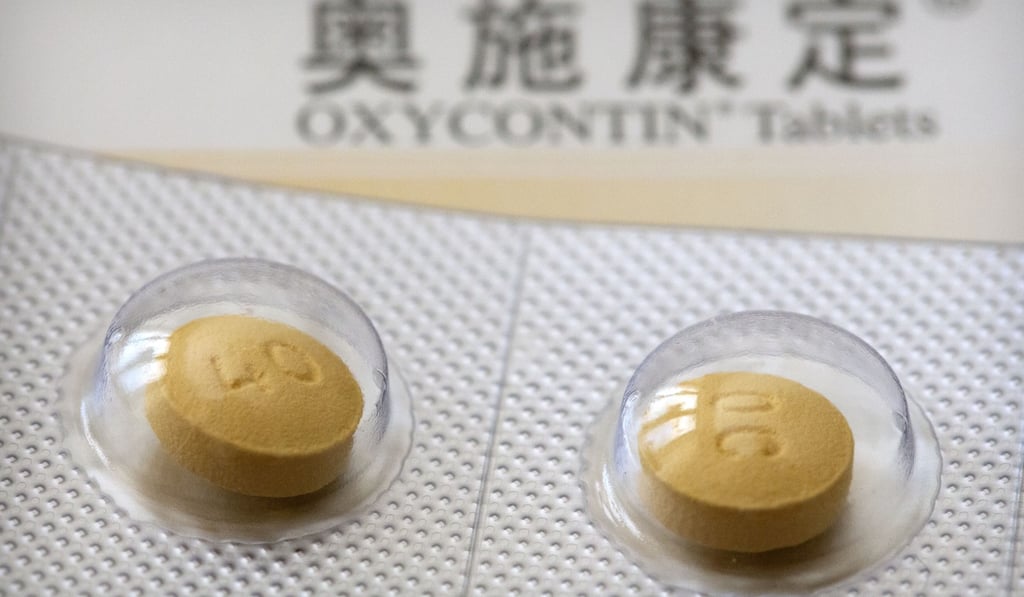
Meanwhile, another company owned by the family in China has been promoting OxyContin with the same tactics Purdue was forced to abandon in the US as opioid overdose deaths soared, according to interviews with four current and former employees and more than 3,300 pages of training and marketing material obtained by Associated Press.
The documents and interviews indicate that representatives from the Sacklers’ Chinese affiliate, Mundipharma, tell doctors that time-release painkillers like OxyContin are less addictive than other opioids – the same pitch Purdue admitted was false in US court more than a decade ago.
Mundipharma has pushed ever larger doses of opioids, even as it became clear that higher doses present higher risks, and represented the drug as safe for chronic pain, according the interviews and documents.
Thousands of lawsuits in the United States against Purdue say claims like these wrongly convinced a generation of doctors that opioids were safer and less addictive than everyone had long thought, contributing to the deaths of more than 400,000 Americans to opioid overdoses and helping drive millions more into addiction. Purdue, which declared bankruptcy in September, has denied those allegations.
As the backlash against opioids in the US grew, sales fell and the Sacklers trained their sights on the global market. In China, Mundipharma managers tried to boost profits by requiring sales representatives to copy patients’ private medical records without consent, in apparent violation of Chinese law, current and former employees said.