Dangers lurk for China’s ban on the wild animal trade
- The breeding and consumption of exotic species was big business in China until a new coronavirus was linked to a wet market in Wuhan
- Stamping out the industry will mean overcoming limited enforcement resources and entrenched interests, conservationists say
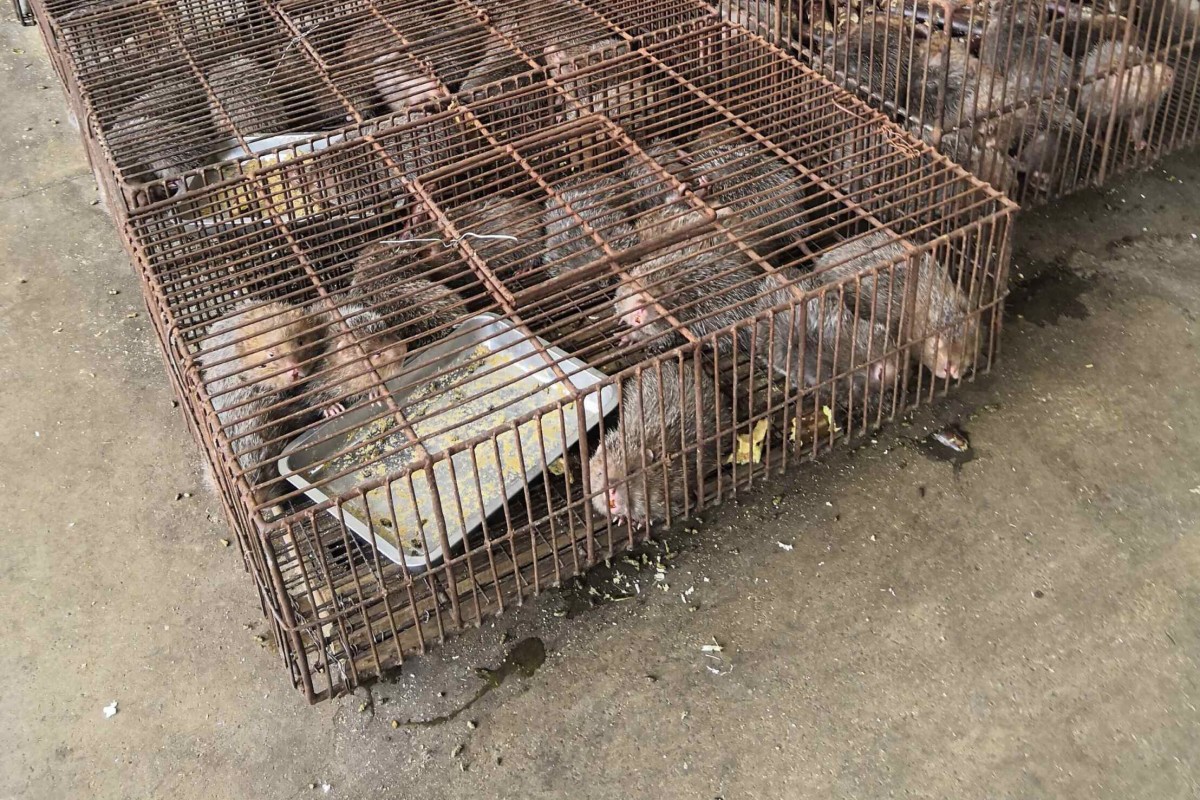
When Yin Shanchuan and his colleagues visited the Fresh Agricultural Products Wholesale Market in the southern Chinese city of Qingyuan about two years ago, he was stunned by what he saw.
For more than a decade, Yin, a veteran conservationist, has had numerous run-ins with wild animal traders, as well as market and stall owners across China. But the market in Qingyuan still sent a shiver down his spine.
For sale at the market were row after row of bamboo rats, groundhogs, foxes, snakes and ducks crammed into cages.
“We had never seen so many dangerous animals in the one market before,” Yin said.
The virus, which causes a disease called Covid-19, has since infected more than 80,000 people and killed more than 2,700, most of them in China. It has also disrupted China’s economy, international travel and global supply chains.