China to enact first civil code, as it looks to private sector to help revive virus-hit economy
- Legislative package includes strengthening protection of property rights and it will be a centrepiece of annual parliamentary session
- But analysts say its impact may be limited as it is largely an amalgamation of existing laws, and enforcement is also uncertain

China’s parliament is poised to enact its first civil code, a wide-ranging legislative package that includes strengthening protection of property rights in a country whose embrace of private ownership has long been awkward.
The civil code, in the works since 2014, will become law at a time when China needs its often-embattled private sector to step up investment to help revive a virus-battered economy, and will be a centrepiece of the annual parliamentary session that begins on Friday after a delay of more than two months.
But the civil code is largely an amalgamation of existing laws, meaning its impact may be limited, some analysts said. And enforcement is uncertain, as courts are not independent and ultimately answer to the party, although legal reforms in recent years have aimed to give judges more independence and rein in local officials’ influence over courts.
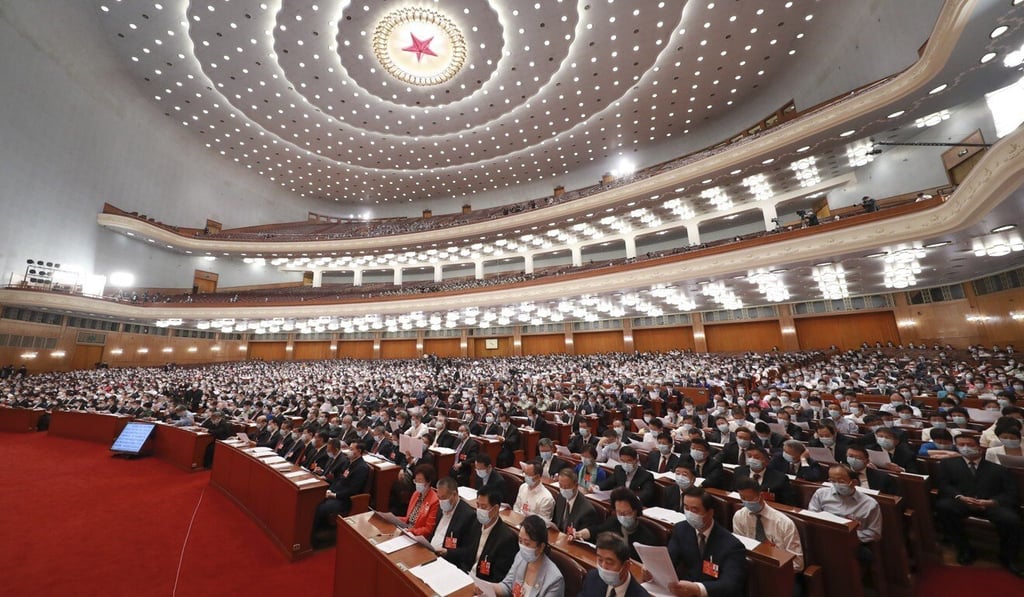
The civil code, which among other provisions protects personal information and makes it easier to divorce or sue for sexual harassment, is expected to spell out the clearest boundary yet between government and markets since the 1949 founding of the People’s Republic of China.
It is a cornerstone of President Xi Jinping’s push to reform the country’s legal system by 2020, even as China has tightened controls on civil society and expanded party control under his leadership.