Why the National Day ‘golden week’ holiday is causing frustration in China
- Usually a time for travel and family gatherings, many people will not be going anywhere during the break because of Covid-19 curbs
- Some will have to work for seven straight days after the holiday, and many have complained about the arrangements on social media

Many have taken to social media to complain about the arrangements. On microblogging site Weibo, “National Day holiday: rest for 7 days and work for 7 days in a row” is a trending hashtag.
The topic has drawn more than 600 million views and nearly 30,000 users had commented as of Monday, many unhappy that they will have to work on the weekend afterwards to make up for the break.
“It kills me just imagining that I’ll have to work non-stop for seven consecutive days,” said one post on Weibo. “I hate the weekend work thing. Why can’t the government just be honest and say the holiday is only three days? It makes no sense to extend it when we cannot travel freely.”
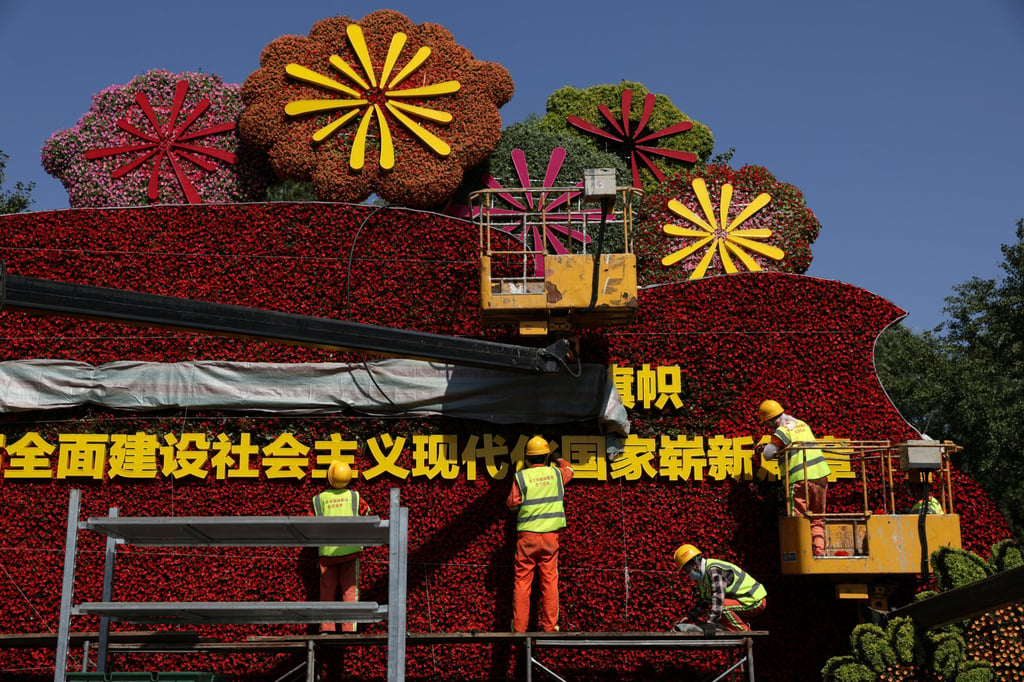
The National Day break is one of 11 public holidays in mainland China. Initially a three-day break to mark the founding of communist China on October 1, 1949, it was extended to seven days when the golden week system was introduced in 1999. That was done to allow people to take longer trips and boost consumption.