China’s monetary policy could ease further in 2023, analysts say, after central bank cuts reserve ratio
- Need for healthy growth amid fears of a global recession rules out restrictive monetary policy for China, noted economist says
- Latest central bank move to boost liquidity aimed at financial institutions seeking to buy local government bonds, says Shanghai professor

“The global economy will continue to point south next year because Europe, Japan and some developing countries are approaching negative growth,” Lian, head of Zhixin Investment Research Institute, told an economic conference in Shanghai on the weekend. “This situation will affect China’s exports.”
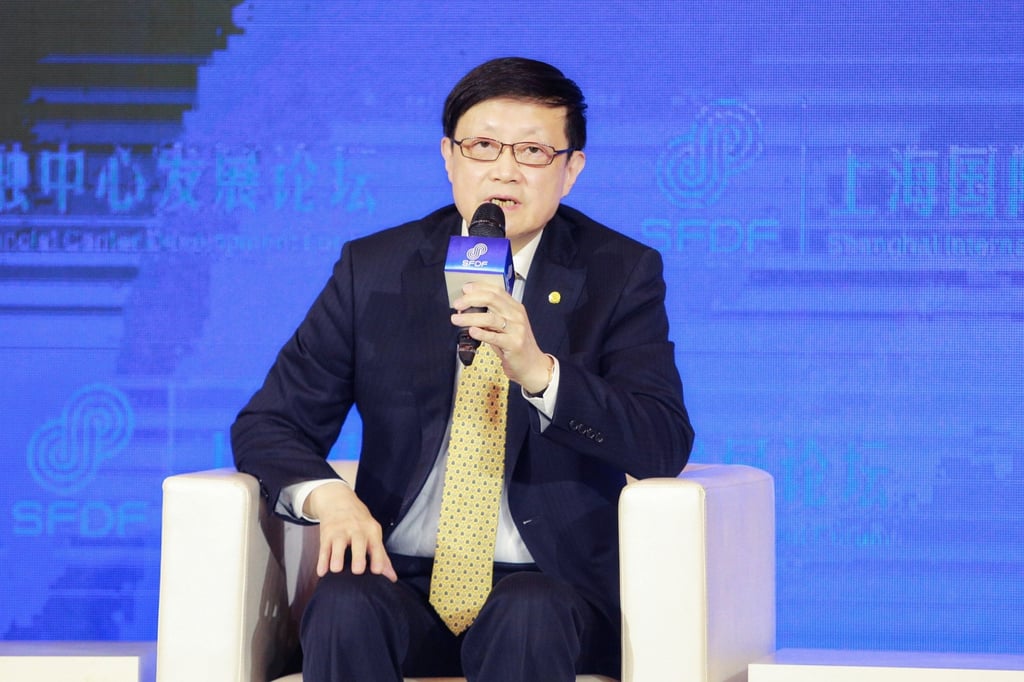
The need for healthy growth in the key economic pillars – exports, property and consumption – meant a restrictive monetary policy for China could be ruled out, and which also pointed to more aggressive fiscal support, said Lian, who chaired the conference.
Expansionary monetary policy refers to boosting money supply or lowering short-term interest rates with an aim to promote consumer and business spending through increased liquidity.
China’s central bank last Friday cut the amount of cash that banks must hold in reserve for the second time this year to shore up growth.