How Taiwan won decade-long battle for the return of Chiang Kai-shek’s diaries from the US
- Move to publish diaries of former Kuomintang leader presented as aiming to shed light on his thoughts and deeds for Taiwanese divided on legacy
- Head of Taiwan’s official archive for presidential records says publication intended as ‘a form of social reconciliation and progress’

The move to publish the journals from Chiang’s first term as president (1948-54) was presented as aimed at giving Taiwanese greater understanding of the late Kuomintang leader’s thoughts and deeds.
The publication was made possible after Academia Historica – Taiwan’s official archive for presidential records and artefacts – won a decade-long legal battle for the return in September of diaries written by Chiang and his son Chiang Ching-kuo. The files had been kept at Stanford University’s Hoover Institution for nearly 20 years.
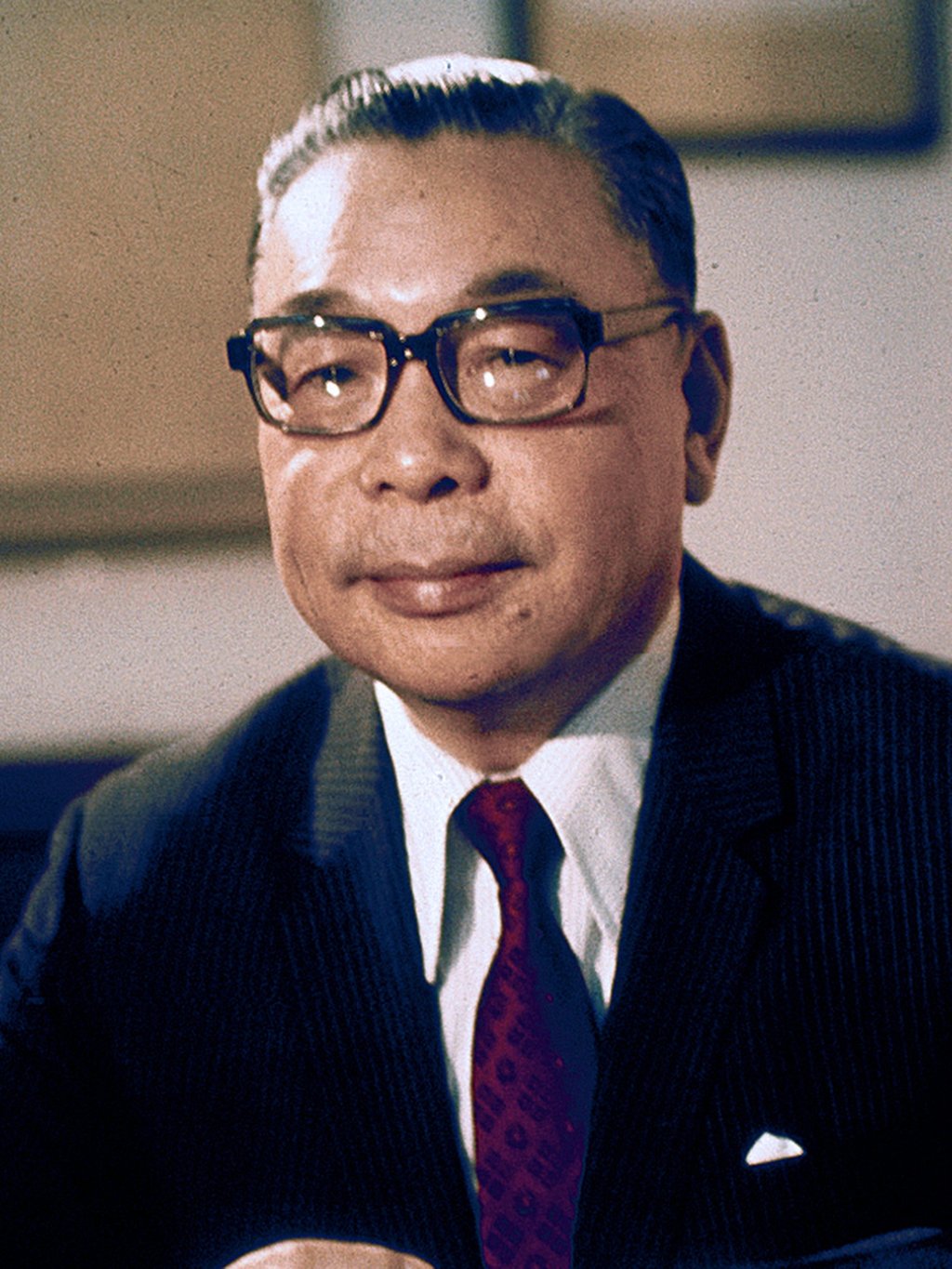
The files at the institution contained the diary entries of Chiang Kai-shek from 1917 to 1972 and his son from 1937 to 1978, as well as letters, manuscripts, diplomatic telegrams and other correspondence among the documents.
The documents were first taken to Canada in 2004 by Chiang Ching-kuo’s daughter-in-law Chiang Fang Chi-yi, who loaned them to the Hoover Institution the following year for curation and scholarly research for 50 years.

03:14
Future of Chiang Kai-shek statues questioned as Taiwan reckons with former leader’s legacy
Chiang Fang was left the documents by her late husband, Eddie Chiang Hsiao-yung – who inherited them from his father. She did not have the consent of the rest of the Chiang family to sign the custody agreement with the institution in 2005.