Ballot power: 2024 elections could steer global relations for years to come
- The world’s democracies will hold more than 60 national elections this year, a number that will not be reached again until 2048
- The US vote has greatest import for relations with China, but so do those in Taiwan, Indonesia, India and Mexico, among others

The year 2023 was marked by an escalating rivalry between China and the US-led West, compounded by growing fears of conflict over Taiwan, military tensions in the South China Sea, Russia’s continued invasion of Ukraine, and a new Middle East war between Israel and Hamas.
So the new year is saddled with a bitterly divided geopolitical landscape, complicated international cooperation on climate change, economics, trade and technology, as well as a dangerous arms race. And with a packed election calendar, 2024 could be a true global inflection point.
Countries with a total of more than 4 billion people, accounting for nearly half the world’s population, will pick their representatives for the next half-decade or so in over 60 national elections this year. There will not be as many elections in a year again until 2048, according to Integrity Institute, a US-based think tank.
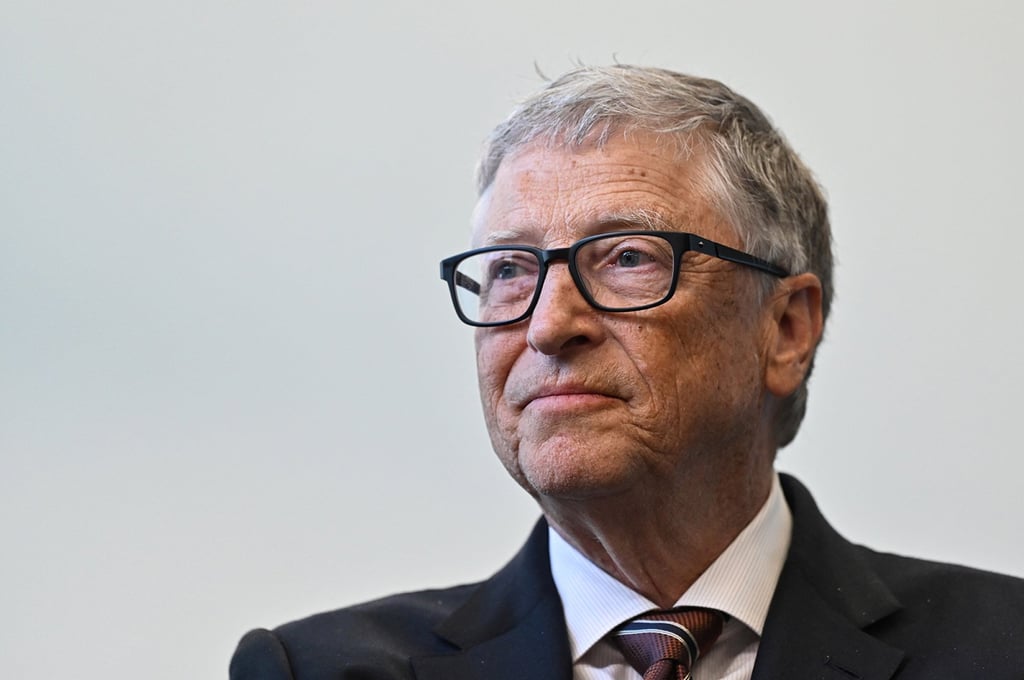
Microsoft co-founder Bill Gates in an open letter on his website in December noted that while all levels of government are on the ballot and every year’s elections are important, “the sheer number of people who will vote in 2024 means that the results will have an outsize impact on the future of our world”.
It’s not just the number that makes 2024 elections so significant. The US presidential election will be held the same year as leadership elections in major countries including India, Indonesia, Mexico, South Africa, Pakistan and Britain.
Voters in 27 European Union member states will also decide who represents them in the European Parliament.