Xinjiang posts by Yale researcher spark online backlash against Chinese universities
Universities inviting Darius Longarino to speak have been infiltrated by ‘foreign hostile forces’, Chinese social media users allege

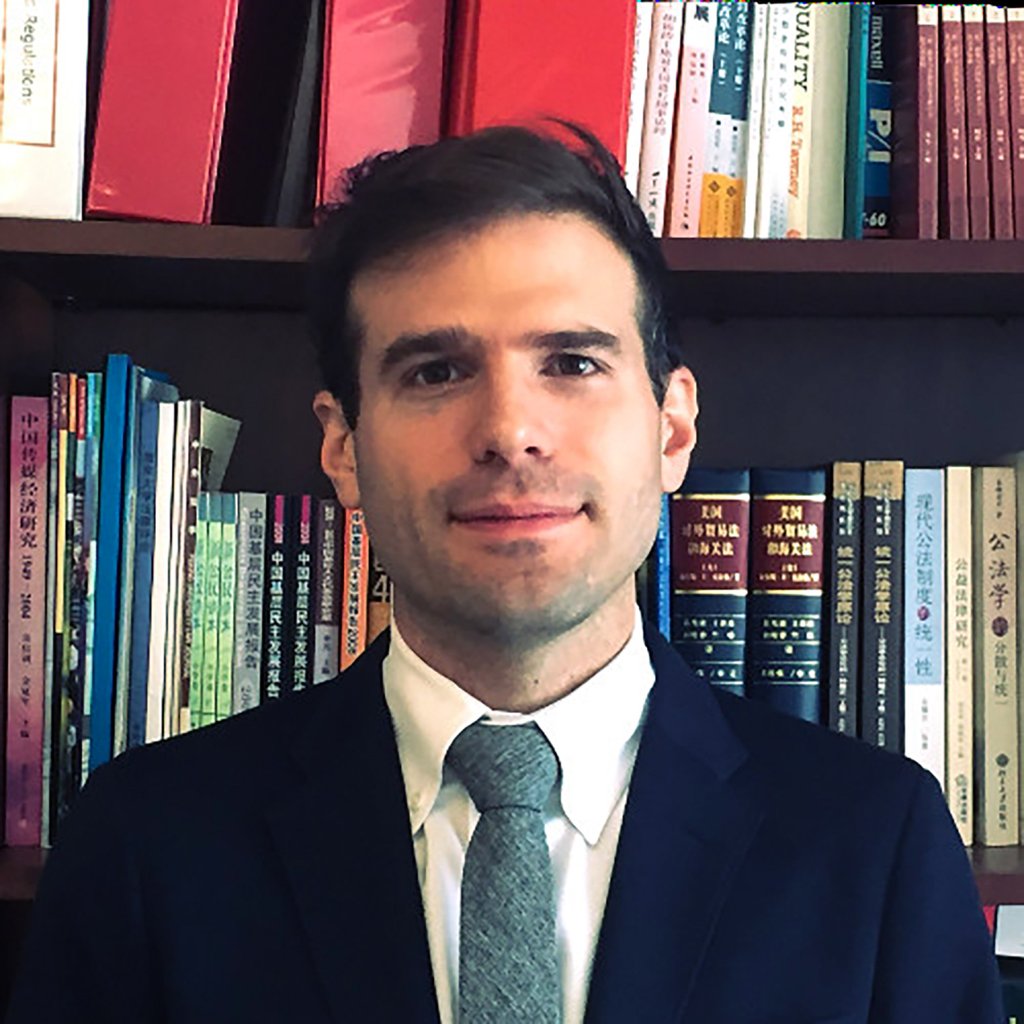
The latest in the line of fire is Central South University in Changsha, Hunan province. It has faced a barrage of online criticism since last Tuesday for having hosted Darius Longarino, who is a research scholar at Yale Law School and senior fellow at its Paul Tsai China Centre – a think tank that conducts China-related exchange activities and research.
Longarino, who has criticised China’s policies in its western Xinjiang Uygur autonomous region in the past, was invited by the university in June to deliver a lecture on sexual harassment cases in Chinese courts.
Central South University, along with at least two others that had invited Longarino for events in recent months have since taken down posts about those events from their websites.
Chinese search engines still display links to the pages, but clicking on them results in an error message indicating they are inaccessible.
The controversy snowballed after some social media users highlighted Longarino’s posts on X (formerly Twitter) from 2019 to 2022, where he criticised Beijing’s Xinjiang policies, including those affecting the rights of sexual and gender minorities.