China’s melting glacier draws millions of tourists and scientists’ fears
- Baishui No 1 Glacier said to have lost 60 per cent of its mass since 1982
- Hulk of ice feeds Asia’s 10 largest rivers, including the Yangtze and Mekong

A loud crack rang out from the fog above the Baishui No 1 Glacier in southern China as a stone shard careered down the ice, flying past Chen Yanjun as he operated a GPS device.
More projectiles were tumbling down the hulk of ice that scientists say is one of the world’s fastest melting glaciers.
“We should go,” the 30-year-old geologist said. “The first rule is safety.”
Chen hiked away and onto a barren landscape once buried beneath the glacier. Now there is exposed rock littered with oxygen tanks discarded by tourists visiting the blanket of ice standing 4,570 meters (15,000 feet) high.
Millions of people each year are drawn to Baishui’s frosty beauty on the southeastern edge of the Third Pole – a region in Central Asia with the world’s third-largest store of ice after Antarctica and Greenland that is roughly the size of Texas and New Mexico combined.
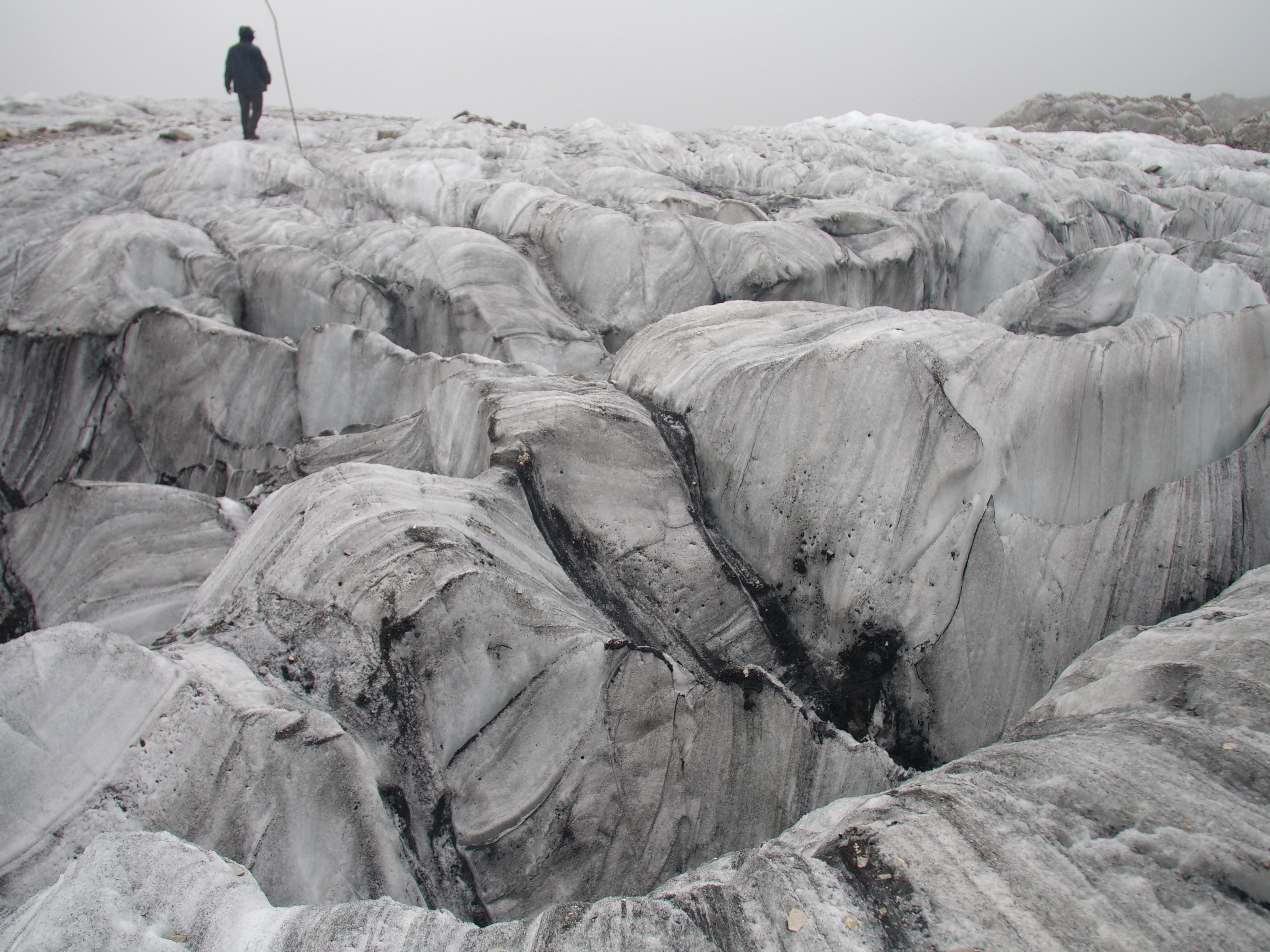
Third Pole glaciers are vital to billions of people from Vietnam to Afghanistan. Asia’s 10 largest rivers, including the Yangtze, Yellow, Mekong and Ganges, are fed by seasonal melting.