Chinese researchers using brain implants to help drug addicts
- China is emerging as a hub for research held back elsewhere by ethical questions and cost
- The country has a large patient population, government funding and ambitious medical device companies ready to pay for the research
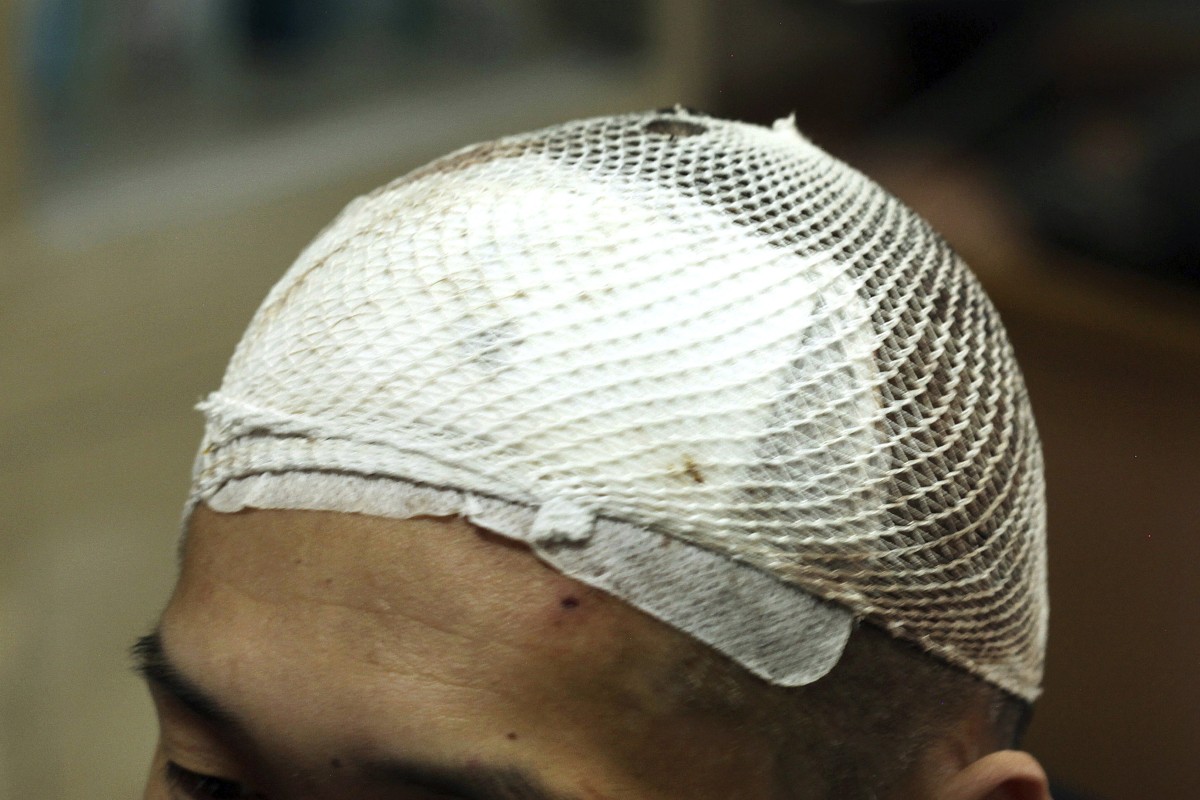
Patient No 1 is a thin man, with a scabby face and bouncy knees. His head, shaved in preparation for surgery, is wrapped in a clean white cloth.
Years of drug use cost him his wife, his money and his self-respect, before landing him in this drab yellow room at a Shanghai hospital, facing the surgeon who in 72 hours will drill two small holes in his skull and feed electrodes deep into his brain.
The hope is that technology will extinguish his addiction, quite literally, with the flip of a switch.
The treatment – deep brain stimulation (DBS) – has long been used for movement disorders like Parkinson’s. Now, the first clinical trial of DBS for methamphetamine addiction is being conducted at Shanghai’s Ruijin Hospital, along with parallel trials for opioid addicts. And this troubled man is the very first patient.
The surgery involves implanting a device that acts as a kind of pacemaker for the brain, electrically stimulating targeted areas. While Western attempts to push forward with human trials of DBS for addiction have foundered, China is emerging as a hub for this research.
Scientists in Europe have struggled to recruit patients for their DBS addiction studies, and complex ethical, social and scientific questions have made it hard to push forward with this kind of work in the United States, where the devices can cost US$100,000 to implant.