China approves Oligomannate, world’s first new Alzheimer’s drug in 20 years and it is based on seaweed
- Clinical trial shows effectiveness in treating mild to moderate forms of the disease, and it may even improve cognitive function
- Researchers noticed elderly people who regularly eat seaweed are less likely to develop the condition

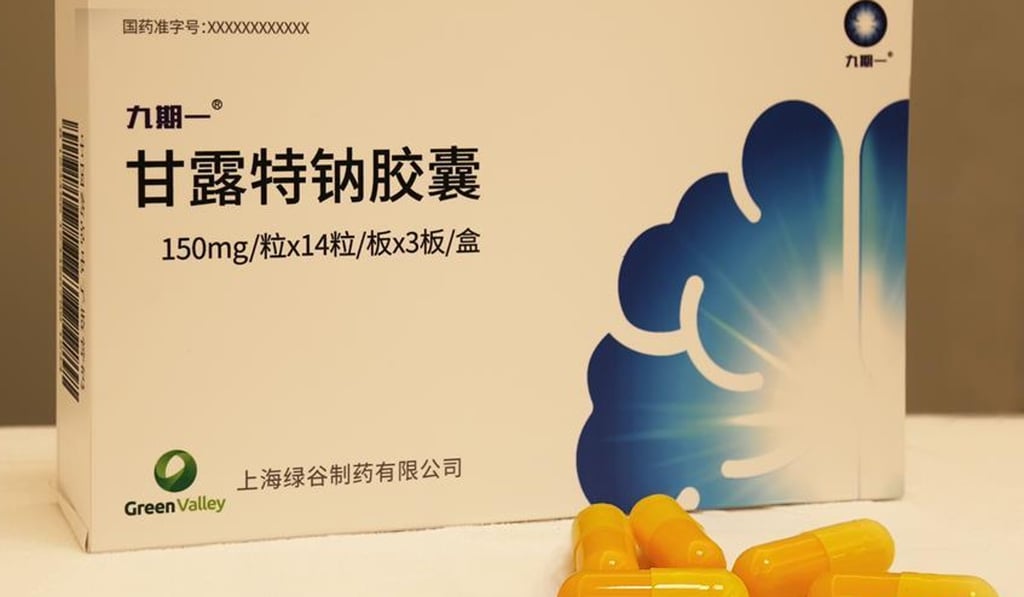
The world’s first new drug for the treatment of Alzheimer’s disease in nearly two decades – and perhaps the only treatment with the potential to reverse the condition – was approved by the Chinese government on Saturday night.
The National Medical Products Administration said the drug, Oligomannate, had been approved for the treatment of “mild to moderate Alzheimer’s disease and improving cognitive function”.
Beijing neurologist Dr Song Juexian spoke for many in her profession when she said: “Long in the dark, the Alzheimer’s disease has finally seen a break of dawn from the East.” Song, from Xuanwu Hospital, also cautioned that it was “far from the end of the battle”.
The development of Oligomannate was inspired by the relatively low occurrence of Alzheimer’s among elderly people who regularly consumed seaweed.
The Chinese research team, led by Dr Geng Meiyu at the Chinese Academy of Sciences’ Shanghai Institute of Materia Medica, started looking into possible connections and, in 1997, identified a unique sugar in seaweed which might play an important role in the phenomenon.