Human pressure on wildlife increases risk of diseases like Covid-19, study finds
- Hunting, wildlife trade and threats to habitat key factors in viral spillover
- Research adds to growing evidence about the role of humans in the emergence of new infections
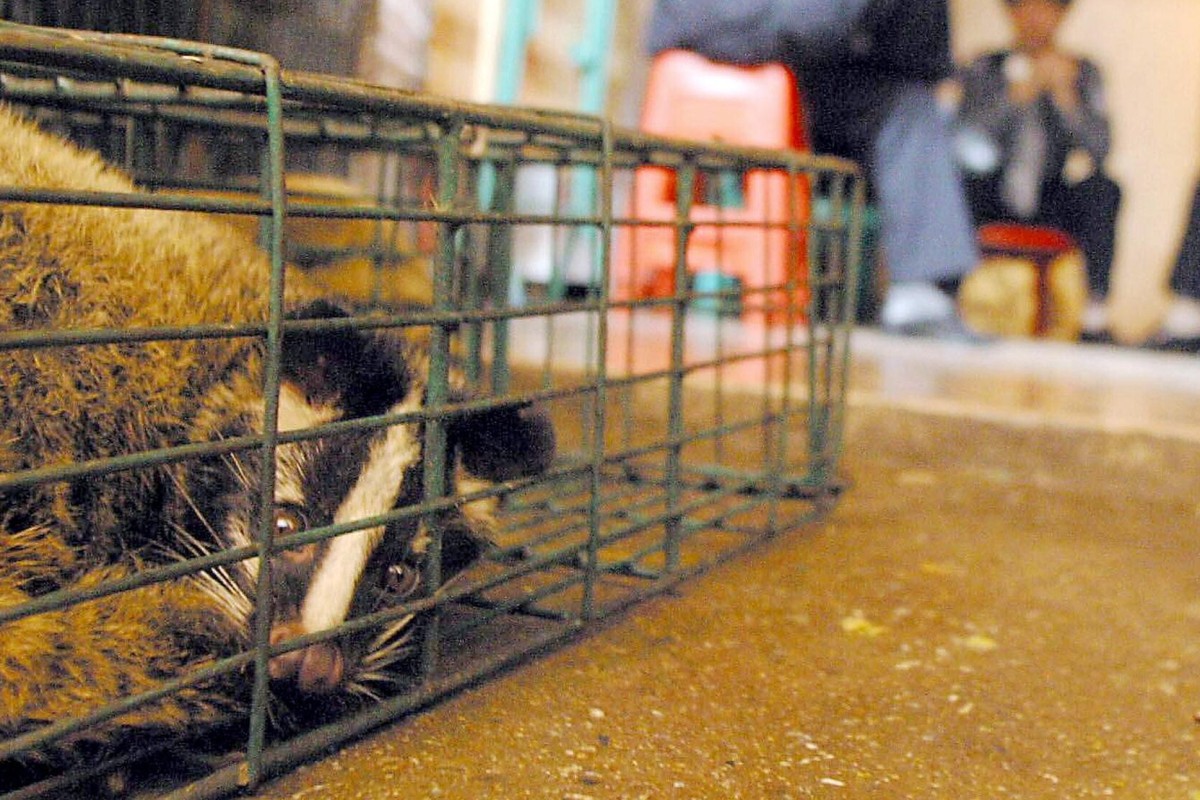
That was the key finding of a study published on Wednesday by a group of researchers at the University of California, Davis which looked for trends among the animal species known to host viruses that have infected humans.
While genetics and chance are among the factors that determine whether a virus can spill over from animals to people, the study highlights the human role driving the risk of the phenomenon behind the current pandemic, which so far has sickened more than 1.5 million people.
Animals threatened with extinction by human degradation of their habitat, or through hunting and the wildlife trade, hosted twice as many viruses known to infect people, compared with species threatened for other reasons, the researchers found.
“Spillover of viruses from animals is a direct result of our actions involving wildlife and their habitat,” said lead author Christine Kreuder Johnson, director of the EpiCentre for Disease Dynamics at the One Health Institute, a UC Davis School of Veterinary Medicine programme.