Coronavirus may damage testicles without entering cells, study finds
- Analysis of patient samples from Wuhan shows virus caused ‘ballooning changes’ and damage to cells that produce sperm
- Researchers believe this could have been the result of the virus binding to an enzyme on the cell surface
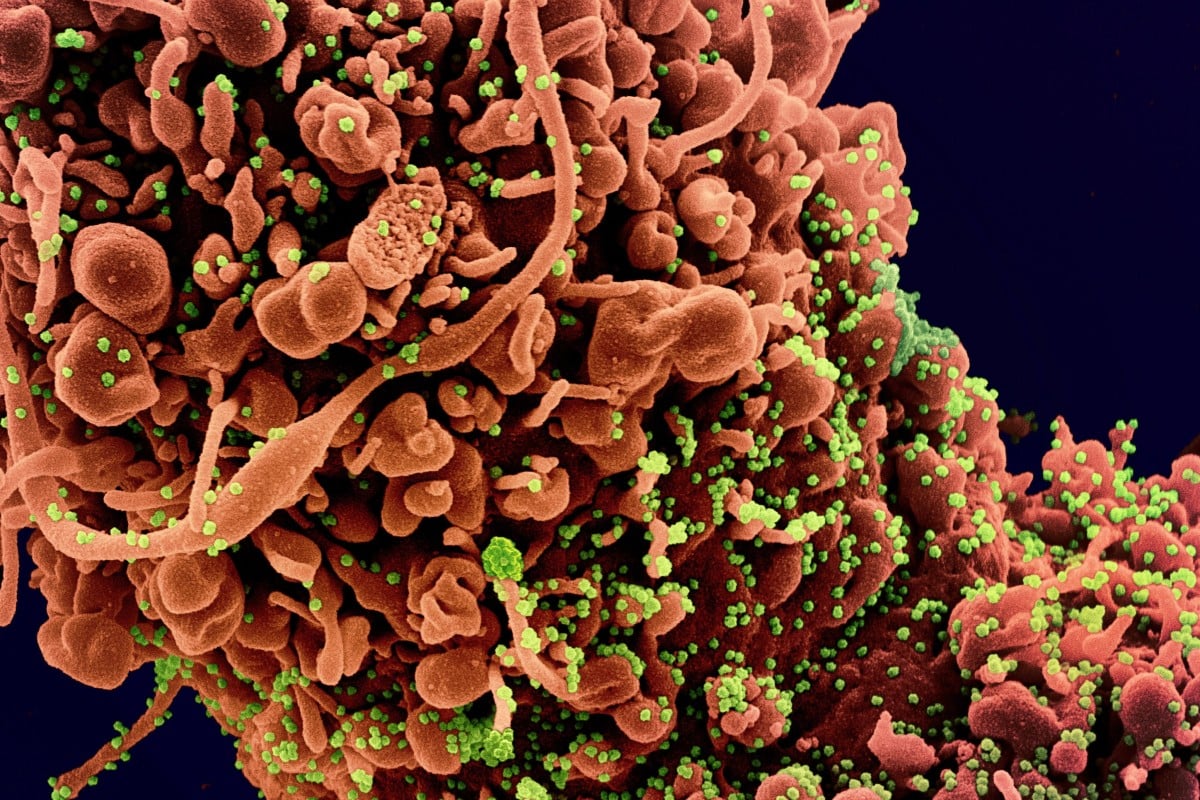
They found that the virus could enlarge and attack the cells that produce sperm, possibly by binding to an enzyme on the cell surface.
But the researchers said there were almost no viral genes found in the semen and testicular tissue of patient samples, suggesting it was not a sexually transmitted infection.
“Sperm donation or an impregnation plan could be considered during convalescence for Covid-19 patients,” the researchers concluded in a peer-reviewed paper published in European Urology Focus on Sunday.

01:54
Tests on nearly 10 million people in Chinese city of Wuhan turn up only 300 coronavirus cases
There has been debate over the potential impact of the virus on male fertility since it was first reported in the central Chinese city of Wuhan late last year. Some research has detected male hormone abnormalities, but in other studies no trace of the virus has been found in patients’ sperm samples.