Advertisement
Donald Trump’s ‘Chinese lab’ theory may be weakened by FDA’s bat coronavirus discovery
- Gene from Sars-CoV-2 may reduce bat coronavirus’ ability to enter a host cell, study finds
- Theory cited by the president and Secretary of State Mike Pompeo suggested Covid-19 was linked to a Wuhan laboratory where a bat virus was studied
3-MIN READ3-MIN
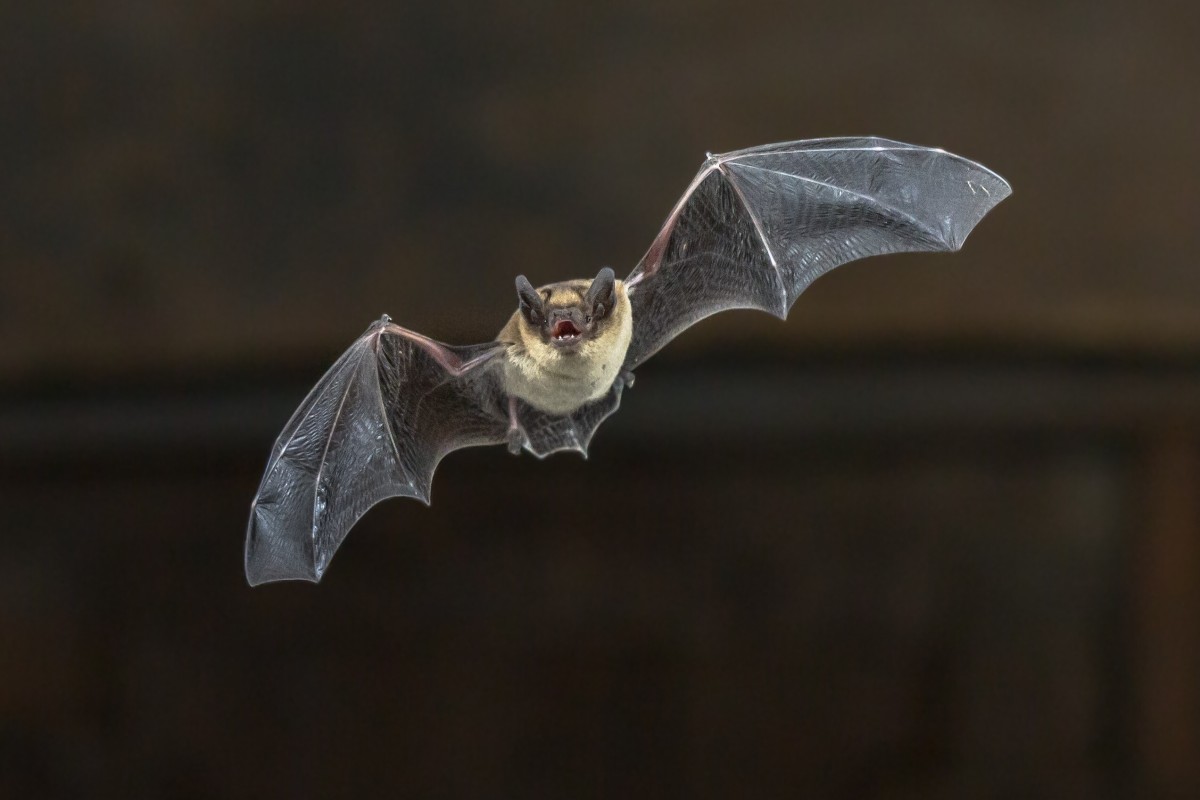
A gene that helps the spread of the coronavirus in humans appears to reduce the infectivity of a similar bat virus, according to a new US government study that may cast doubt on a theory that the virus originated in a Chinese laboratory.
The virus raTG13, found in the dung of horseshoe bats in a cave in southwest China, was the closest known cousin to the novel coronavirus, with over 96 per cent similarity in genes. The biggest difference between them was the spikes, or proteins that bind the virus to a host cell.
At the US Food and Drug Administration’s (FDA’s) vector-borne viral diseases laboratory in Maryland, Dr Tony Wang and colleagues conducted an experiment to see what would happen to raTG13 if it were given a spike similar to that of Sars-CoV-2, the coronavirus that causes the disease Covid-19.
Advertisement
US government officials including President Donald Trump and Secretary of State Mike Pompeo have promoted a theory that the Covid-19 outbreak may have started at a laboratory in Wuhan where scientists studied the raTG13 bat virus.
02:08
China says no evidence to suggest coronavirus virus came from Wuhan’s lab
Dr Wang declined to comment on that theory, but said his work was intended to investigate something that could only have happened in a laboratory.
Advertisement
Advertisement
Select Voice
Select Speed
1.00x