Chinese scientist’s spike protein research paves way for Covid-19 vaccine
- Wang Nianshuang’s work on spike proteins was largely unknown until the new coronavirus emerged
- Thanks to Wang’s years as a researcher in an obscure field, vaccines were available in record time

Among them is Wang Nianshuang, a former research associate with the University of Texas at Austin, who studied coronaviruses for eight years before his continuous hard work was rewarded with the pivotal design of a synthetic spike protein.
“I will feel pretty good when I finally take the Covid-19 jab, and be very confident about its quality,” said Wang, who now works at Regeneron Pharmaceuticals in the US. “My wife is just glad that I finally made it because it has been not an easy path. My four-year-old daughter thinks I am a hero who fights off the coronavirus.”
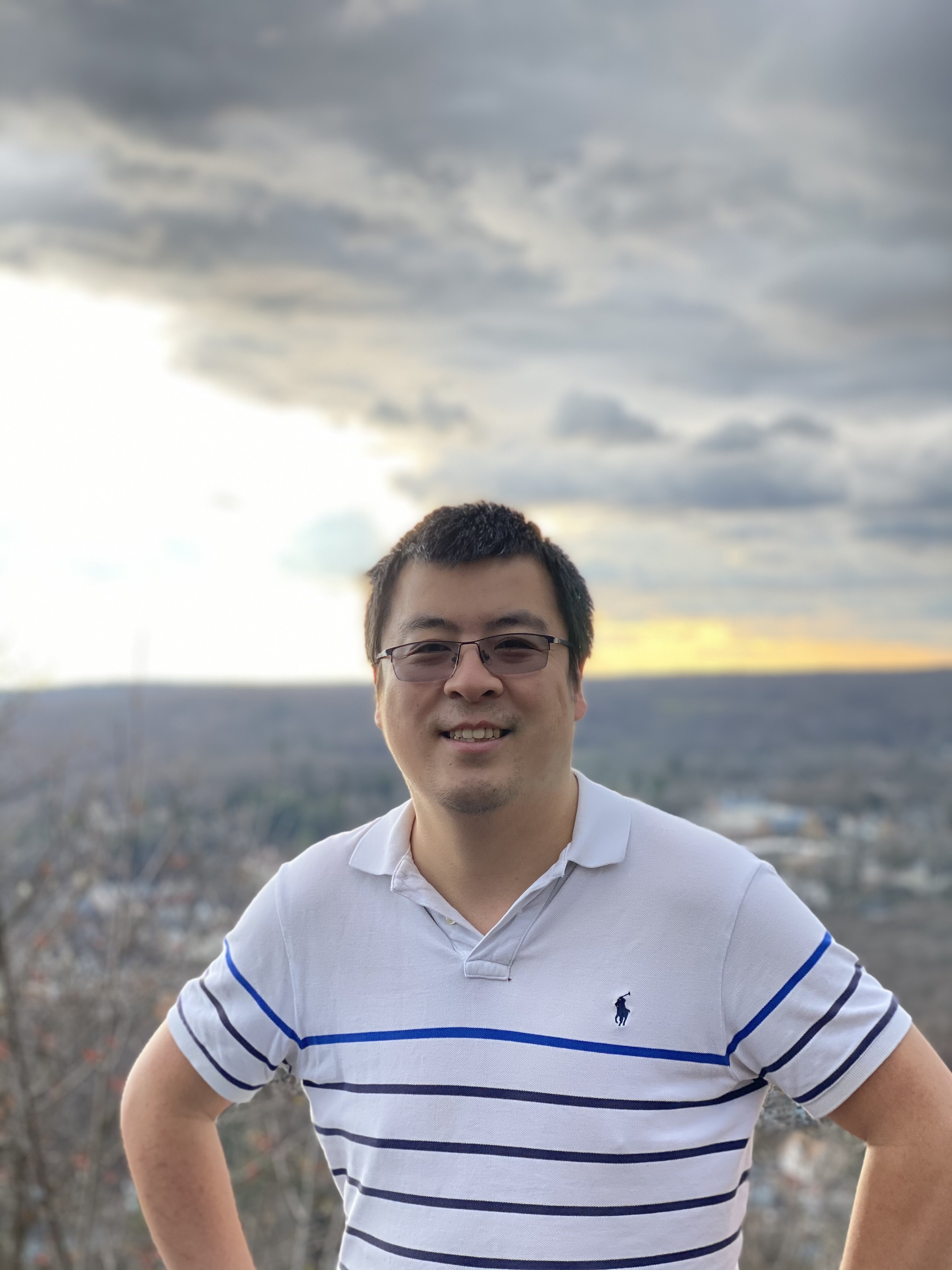
Wang was born into a rural family in the eastern province of Shandong and supported himself through high school, before he was admitted in 2005 to the Ocean University of China. He arrived for his studies in the bustling port city of Qingdao, ignorant of the basic skills of urban survival – the coins needed for bus fares, how to use bank cards, and the existence of social media.
But he shone academically and in 2009 Wang was exempted from the entrance exams to the prestigious Tsinghua University in Beijing, where he worked towards his doctorate in the structural biology centre. In 2013, he began the research that would ultimately contribute to the Covid-19 vaccines.