
Should Covid-19 vaccine manufacturers’ IP rights be waived?
- ‘We cannot rest until everyone has access, and we need to ensure sustainable vaccine supply chains for the long term,’ WHO chief says
- ‘The fact is that each additional day the vaccine shortage continues, people will pay with their lives,’ WTO boss says
The issue at stake is how to vaccinate billions of people around the world as quickly as possible. Many countries across the developing world could fall far short of the doses needed to achieve immunity and stop the virus spreading by the end of the year, experts say.
Coronavirus vaccines: all you need to know
Meanwhile, wealthy countries have already rolled out or booked vaccines for significant portions of their populations, pushing the issue of fair vaccine access to the fore.
The Group of Seven countries last month pledged billions of dollars to improve access, and the US on Wednesday joined other rich countries that have promised to share excess doses once their own people have been vaccinated.
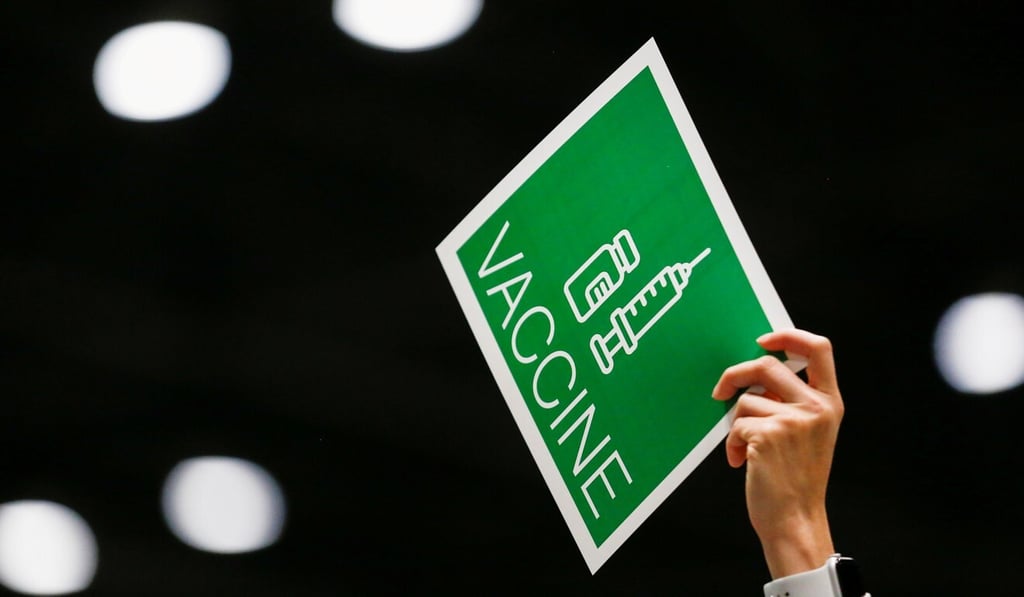
“We cannot rest until everyone has access, and we need to ensure sustainable vaccine supply chains for the long term that are vastly bigger than what we have now,” WHO chief Tedros Adhanom Ghebreyesus said in an opinion article published by The Guardian on March 5.
“I don’t believe that globally we’re exercising our full manufacturing muscle,” he said, throwing his support behind options to expand supply such as companies licensing their vaccines to other manufacturers and waiving patents.
Waiving patents in the name of public health is a long-standing option built into WTO rules, in the past enabling access to HIV treatments, but some countries say the rules are too cumbersome and limited for the current crisis.
Coronavirus: WHO approves Johnson & Johnson vaccine
The proposal that is up for debate, first put forward by India and South Africa in October, calls for temporarily waiving certain IP rules altogether. This would allow countries to bypass patent and other protections to make and trade Covid-19 vaccines and medical supplies.
More than 100 mostly developing countries have come forward to back the proposal, along with the WHO. But in the latest meeting of a WTO council on intellectual property on Wednesday, the proposal remained in a stalemate.

China, which has developed several Covid-19 vaccines, said at the WTO meeting that the proposal by South Africa and India was a good starting point for members to discuss trade emergency measures. It joined other countries, including some in the opposition camp, in saying it was open for further talks, according to a trade official in Geneva.
The proposal is expected to remain under discussion in informal meetings next month and in a June council meeting.
Chinese companies have been among those licensing their vaccines for manufacture in other countries, with partnerships with firms in Indonesia, Brazil, and the United Arab Emirates.
On Friday, leaders of Australia, Japan, India and the US announced a plan that would see another Indian manufacturer, Biological E Ltd, producing 1 billion vaccine doses by 2022, including one developed by American company Johnson and Johnson.
Shahar Hameiri, an associate professor of international relations at the University of Queensland, said the move might be part of “Western states’ efforts to weaken rising demands” for measures like the waiver proposed at the WTO.
“The fact is that each additional day the vaccine shortage continues, people will pay with their lives,” Okonjo-Iweala said on Tuesday at an event hosted by the British think tank Chatham House.
She said it was possible to “walk and chew gum at the same time”, continuing the search for solutions in the ongoing intellectual property debate, while moving to increase production through licensing, especially in developing countries with this capacity.
John Donnelly, a principal at Vaccinology Consulting in the US, said such arrangements, based on collaboration between a manufacturer and the vaccine developer, might be more efficient in getting quality doses produced.
“Experience has shown that two routes – one is fill-finish and the other is tech transfer – have been reliably successful in getting vaccine production up and making vaccines more available to low income countries,” he said, referring to situations where a local factory can take raw product and turn it into ready-made doses or when a vaccine developer will directly share information with manufacturers to make their vaccine.
Explainer | How the coronavirus vaccines compare and who can get them
But Deborah Gleeson, an associate professor of public health at La Trobe University in Australia, said that when such collaboration was voluntary there was little incentive for big pharmaceutical companies to take the step.
“Covid-19 has really shown the flaws in the intellectual property system that we have, where products that are badly needed by large groups of people are protected by monopolies and are simply not available,” Gleeson said.
Finding ways around IP barriers is “really the best hope that we have at the moment”, she said.

